Welcome to My Blog!
Before we dive into the content, I’d love for you to join me on my social media platforms where I share more insights, engage with the community, and post updates. Here’s how you can connect with me:
Facebook:https://www.facebook.com/profile.php?id=100087112105480
Now, let’s get started on our journey together. I hope you find the content here insightful, engaging, and valuable.
Table of Contents
Introduction
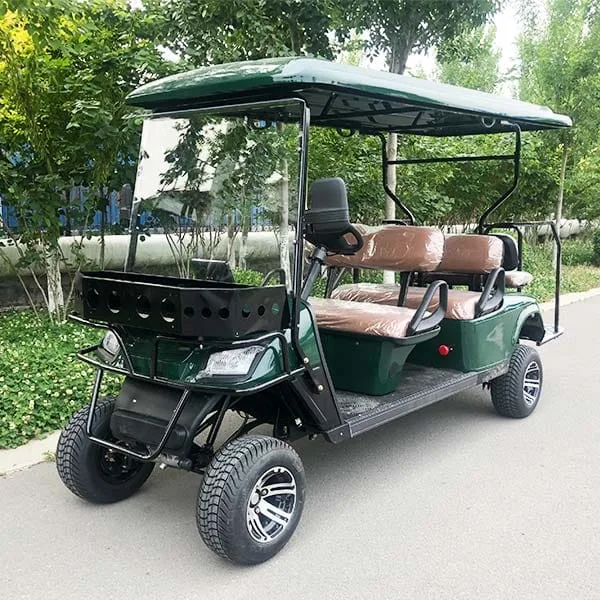
If you’re searching for a 2 seater golf cart, chances are you’re not just thinking about tee times. From personal mobility around communities to light-duty transport in resorts, campuses, warehouses, and farms, this compact yet powerful vehicle is becoming a go-to choice for those seeking convenience, comfort, and versatility.
In this blog, we’ll dive deep into what makes the 2 seater golf cart such a compelling option — whether you’re a golfer, business owner, or simply someone who values smart mobility. Let’s explore its advantages, practical applications, maintenance tips, and more.

The Rise of the 2 Seater Golf Cart in Modern Mobility
Compact Size, Big Impact
One of the primary reasons for the growing popularity of the 2 seater golf cart is its size. Compact enough to navigate narrow paths and indoor spaces, yet spacious enough for two adults and light cargo, it strikes a perfect balance for personal and professional use.
According to a 2024 report by Market Research Future, the global golf cart market is expected to grow at a CAGR of 5.9% through 2030, with 2 seater models seeing the fastest growth due to their adaptability.
Applications Beyond the Golf Course
Yes, the golf course is where it all started. But today’s 2 seater golf carts are venturing far beyond green fairways.
Resorts & Hotels: Perfect for transporting guests or housekeeping staff between buildings.
Large Campuses & Warehouses: Used by security, maintenance, or management staff to cover large areas efficiently.
Farms & Nurseries: Ideal for small load carrying and maneuvering through narrow rows.
Retirement Communities: A popular, easy-to-operate personal transport for seniors.
Event Venues: Used for shuttling VIP guests or transporting supplies.
The keyword here is flexibility — a 2 seater golf cart is compact, yet it adapts to many lifestyles and industries.
Key Features to Look for in a 2 Seater Golf Cart
Electric vs Gas-Powered 2 Seater Golf Carts
When it comes to choosing your model, one major decision is the power source. Both options have their merits.
Electric Models
Eco-Friendly: Zero emissions, ideal for indoor or noise-sensitive environments.
Low Maintenance: Fewer moving parts mean less upkeep.
Quieter Operation: Makes them perfect for hotels, schools, and residential zones.
Gas-Powered Models
Greater Range: Better for longer distances without charging breaks.
Higher Torque: Suitable for hilly terrain or heavier loads.
Quick Refuel: No need to wait hours for charging.
Depending on how you plan to use your 2 seater golf cart, your power source should align with your needs. Many users also opt for solar panel options to reduce energy costs and carbon footprint.
Durability and Build Quality
Look for carts with:
- Rust-proof aluminum frames
- High-density polyethylene bodies
- Reinforced suspension systems
These features ensure longevity, especially in outdoor or rugged-use scenarios.
Comfort and User Experience
A comfortable seat, easy-to-reach controls, cup holders, storage space, and even USB ports can elevate the ride experience significantly. After all, you’re not just buying a vehicle — you’re investing in comfort and convenience.
Maintenance Tips for a Long-Lasting 2 Seater Golf Cart
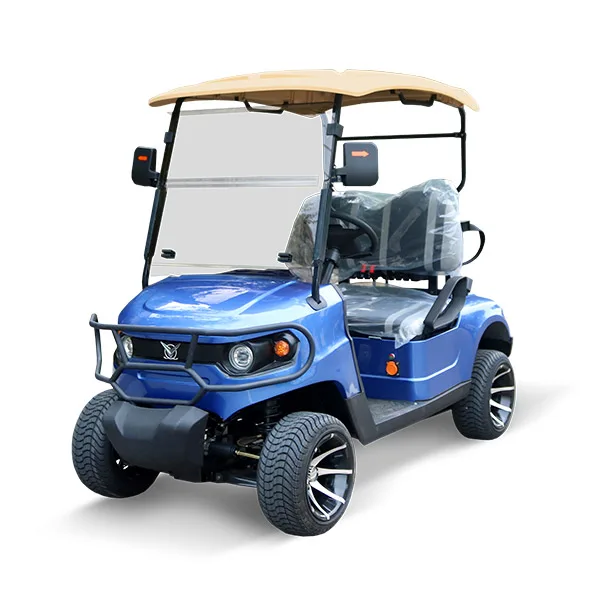
Proper care keeps your cart running smoothly for years. Here are some essential tips:
Battery Care for Electric Models
Charge Regularly: Avoid letting the battery drain completely.
Clean Terminals: Prevent corrosion with monthly cleaning.
Water Levels: For lead-acid batteries, check and top off distilled water regularly.
Engine and Oil for Gas-Powered Carts
Oil Changes: Every 100–150 hours of use.
Air Filter Cleaning: At least once per season.
Spark Plug Replacement: Annually, or when performance drops.
Tire and Brake Check
Check tire pressure monthly.
Inspect brakes for wear every 3 months if the cart is in regular use.
Following these steps will reduce long-term costs and keep your 2 seater golf cart in top condition.
How to Choose the Right 2 Seater Golf Cart for You
Here’s a quick checklist to guide your purchase decision:
| Criteria | What to Consider |
|---|---|
| Use Case | Golfing, resort use, security patrol, personal transport |
| Terrain | Smooth pavements or off-road areas |
| Power Source | Electric (quiet, green) or Gas (range, power) |
| Budget | Base models vs feature-rich models |
| Maintenance Needs | In-house capability vs dealer support |
| Customization | Roofs, windshields, cargo boxes, lighting, and more |
Still unsure? Reach out to us — we’re happy to walk you through your options based on your goals and budget.
Conclusion
Whether you’re navigating a golf course, managing a property, or simply looking for a reliable, eco-friendly way to get around, the 2 seater golf cart delivers. Its compact size, versatility, and growing range of features make it an ideal choice for both personal and professional use.
With options ranging from basic utility models to luxury-styled rides, there’s truly a cart for every purpose and personality.
FAQ
Can I drive a 2 seater golf cart on public roads?
In many regions, Low-Speed Vehicles (LSVs) that meet specific safety requirements (lights, mirrors, seat belts) can be street-legal. Check local regulations for details.
How far can an electric 2 seater golf cart go on a single charge?
On average, 20–40 miles, depending on battery type, terrain, and load. Lithium batteries often provide longer range and faster charging.
How long does it take to charge?
Typically 6–8 hours for a full charge using a standard outlet. Fast-charging models are also available.
Are 2 seater carts easy to store?
Yes! Their compact footprint makes them easy to park in small garages or sheds. Some even offer folding windshields or removable roofs for tighter spaces.
What safety features should I look for?
At minimum: headlights, turn signals, horn, brake lights, and seat belts. Consider adding mirrors, speed limiters, or GPS tracking for added security.