Welcome to My Blog!
Before we dive into the content, I’d love for you to join me on my social media platforms where I share more insights, engage with the community, and post updates. Here’s how you can connect with me:
Facebook:https://www.facebook.com/profile.php?id=100087112105480
Now, let’s get started on our journey together. I hope you find the content here insightful, engaging, and valuable.
Table of Contents
Introduction

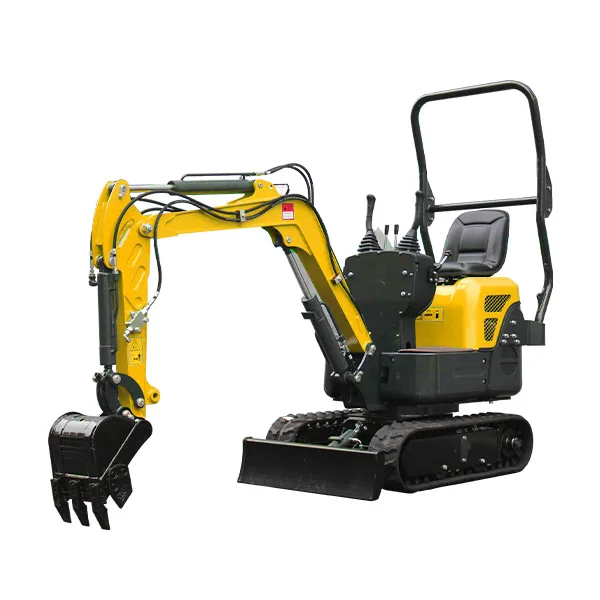
Yellow tractors are a distinctive and common sight in agricultural fields, construction sites, and industrial environments worldwide. The bright yellow color is more than just an aesthetic choice—it serves a variety of functional, safety-related, and branding purposes. For decades, manufacturers have deliberately selected yellow to paint their tractors, and this tradition continues due to its proven benefits.
In this article, we will explore the multifaceted reasons behind the prevalence of yellow tractors, discussing historical background, safety advantages, psychological effects, and the marketing impact of this vibrant hue. By understanding why yellow is the color of choice for many tractors, farmers, operators, and enthusiasts can appreciate the rationale behind this industry standard.
The Historical Roots of Yellow Tractors
The story of yellow tractors begins in the early 20th century when construction and agricultural machinery were evolving rapidly. Prior to the 1930s, tractors and heavy machinery came in various colors, often matching the manufacturer’s branding or the material’s natural appearance. The shift to yellow was largely influenced by the needs for greater visibility and safety on busy work sites.
In 1931, Caterpillar Inc., one of the leading heavy equipment manufacturers, transitioned from gray to a bold yellow color for their machinery. This decision was rooted in the desire to enhance visibility, making their equipment easier to spot on busy or dimly lit job sites, thus reducing accidents. The move was so successful that it set a new trend, inspiring other brands to follow the example.
Similarly, the Farmall Cub, produced by International Harvester, began using a “Federal Yellow” paint in the 1960s to cater to industrial uses where visibility and safety were paramount. This established a legacy where yellow became associated with industrial strength and safety.
Safety and Visibility: Why Yellow is the Ideal Tractor Color
One of the most important reasons for the widespread use of yellow tractors is safety. Tractors and heavy machinery are often operated in environments where visibility can be compromised — such as foggy mornings, dusty fields, construction zones, or during dusk and dawn.
Yellow stands out among other colors because it is highly visible to the human eye. The color yellow reflects more light, making it noticeable even from a distance and under poor lighting conditions. This means yellow tractors are less likely to be accidentally hit or missed by other vehicles and workers on site.
In addition to its brightness, yellow is widely recognized as a cautionary color — it is used in traffic signals, warning signs, and safety gear. This universal association reinforces the effectiveness of yellow in alerting people to the presence of potentially hazardous machinery.
Advantages of Yellow in Visibility and Safety
- High Contrast: Yellow provides excellent contrast against natural backgrounds like green fields, brown soil, and gray construction materials.
- Low Light Visibility: In twilight or fog, yellow remains visible longer than many other colors.
- Attention-Grabbing: It triggers alertness and caution, which is critical for safety around large equipment.
- Universal Recognition: People instinctively recognize yellow as a color that signals caution or danger, enhancing on-site awareness.
Brand Identity: How Yellow Defines Tractor Manufacturers
Beyond safety, the choice of yellow has become a strategic branding tool for several major tractor manufacturers. A consistent color scheme helps companies create a strong visual identity that is easily recognizable by customers worldwide.
Leading Yellow Tractor Brands and Their Brand Strategy
Many manufacturers have chosen yellow to distinguish themselves in a crowded marketplace. Below is a table summarizing key yellow tractor brands and their distinctive qualities:
| Brand | Brand Highlights |
|---|---|
| Caterpillar | Pioneer in yellow machinery; synonymous with heavy-duty construction equipment and durability. |
| JCB | British manufacturer; notable for the innovative Fastrac tractors and extensive use of yellow. |
| Challenger | Known for high-performance agricultural tractors with a strong focus on comfort and technology. |
| Minneapolis-Moline | Historic American brand famous for versatile tractors and a characteristic yellow paint scheme. |
| Renault Agriculture | French maker that combines ergonomic design with yellow tractors for visibility and safety. |
These brands leverage yellow not only for practical reasons but also as a symbol of reliability, quality, and industrial strength. The use of yellow ensures that their tractors stand out both in fields and on the showroom floor, enhancing market appeal.
Psychological and Cultural Impact of Yellow Tractors
Color psychology offers another layer of understanding why yellow tractors are so common. Yellow is often associated with energy, optimism, and alertness. In work environments where heavy equipment operates, the psychological cues provided by color are critical.
Yellow stimulates attention and awareness, which is vital when operators and workers need to maintain high levels of safety. This psychological effect helps reduce careless mistakes and promotes cautious behavior around powerful machines.
Culturally, yellow has positive connotations in many parts of the world, symbolizing warmth and vitality. These associations complement the industrial and functional benefits of the color, making yellow a balanced choice that is both practical and appealing.
The Technological Evolution and Modern Use of Yellow in Tractor Manufacturing
While the reasons for choosing yellow have remained consistent, the technology and design behind yellow tractors have evolved significantly. Modern manufacturing processes ensure durable, fade-resistant paints that keep tractors bright and visible even after years of exposure to harsh weather.
In addition, many manufacturers now use reflective strips and additional safety lighting to enhance the visibility of yellow tractors further. These technological improvements ensure that the safety benefits of yellow continue to meet modern standards.
Manufacturers also tailor yellow hues to their brand identity. For example, Caterpillar uses a distinctive “Caterpillar Yellow,” while JCB’s yellow may have a slightly different shade, reinforcing brand recognition while preserving visibility.
Comparison Table: Key Features of Prominent Yellow Tractor Brands
| Brand | Origin | Signature Yellow Shade | Primary Market | Safety Features | Innovation Highlights |
|---|---|---|---|---|---|
| Caterpillar | USA | Caterpillar Yellow | Construction & Mining | High-visibility paint, LED lights | Autonomous tractors, telematics |
| JCB | UK | JCB Yellow | Agriculture & Construction | Reflective markings, rollover protection | Advanced suspension systems |
| Challenger | USA (AGCO) | Challenger Yellow | Agriculture | Enhanced lighting, safety alarms | GPS guidance, cab comfort improvements |
| Minneapolis-Moline | USA (Historic) | Federal Yellow | Agriculture | Bright color, basic safety features | Early diesel engines, fuel efficiency |
| Renault Agriculture | France | Renault Yellow | Agriculture | Ergonomic design, visibility enhancements | Emission control tech, user-friendly controls |
This table highlights how the use of yellow integrates with brand-specific safety features and technological innovations, making the color both a functional and marketing asset.
Conclusion
The enduring popularity of yellow tractors is a result of a complex interplay of factors. Historical precedence, unmatched safety benefits, strong brand identity, and psychological impact all contribute to the choice of yellow. This vibrant color is much more than a simple paint decision; it is a strategic element that enhances safety, promotes brand recognition, and influences operator behavior.
In a world where safety and efficiency are paramount, yellow tractors offer an optimal balance of visibility, caution, and identity. Their presence in fields and job sites worldwide is a testament to the power of color in industrial design and marketing.
FAQ
Why are most construction tractors yellow rather than another color?
Yellow is highly visible and catches the eye even in poor lighting or dusty environments, reducing accidents and improving safety on busy construction sites.
Do all agricultural tractors come in yellow?
No, agricultural tractors vary in color depending on the manufacturer. For example, John Deere tractors are typically green, but their construction equipment is often yellow for visibility reasons.
Has the shade of yellow used for tractors changed over time?
Yes, different manufacturers use slightly different shades of yellow, often to create brand differentiation while maintaining visibility benefits.
Are there any disadvantages to yellow tractors?
Yellow can attract dirt and stains more visibly than some colors, requiring regular cleaning to maintain appearance. However, this is a minor trade-off for the safety benefits.
How does yellow compare to other safety colors like orange or red?
Yellow is often preferred because it is more visible in low-light and foggy conditions. Orange is also common in safety gear but is less frequently used in heavy machinery like tractors.