Welcome to My Blog!
Before we dive into the content, I’d love for you to join me on my social media platforms where I share more insights, engage with the community, and post updates. Here’s how you can connect with me:
Facebook:https://www.facebook.com/profile.php?id=100087112105480
Now, let’s get started on our journey together. I hope you find the content here insightful, engaging, and valuable.
Table of Contents
Introduction
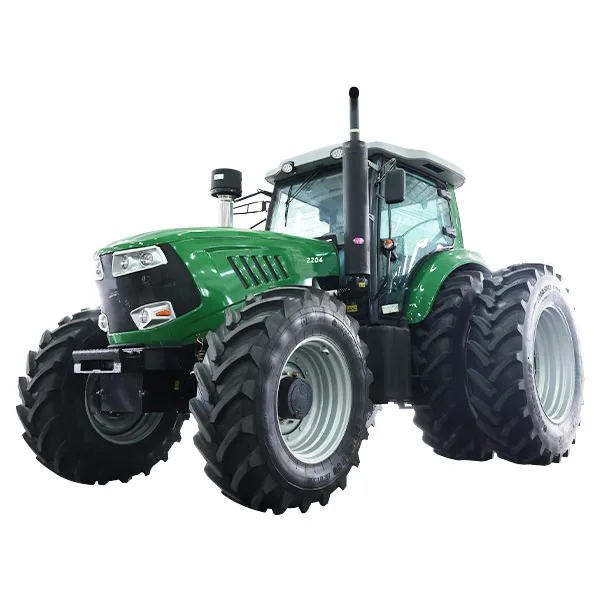
Tractors are indispensable machines in agriculture, construction, landscaping, and various other industries, designed to perform a wide range of tasks through specialized attachments and robust engineering. The categories of tractors are defined by their functions, which determine their size, power, and features to suit specific applications, from plowing fields to hauling materials or maintaining lawns
This blog provides a comprehensive guide to the different categories of tractors, exploring their functionalities, applications, and selection criteria, offering valuable insights for professionals and enthusiasts alike.
Understanding the Importance of Categories of Tractors
Why Categories of Tractors Matter
The categories of tractors are defined based on their intended functions, which influence their design, horsepower, and attachment compatibility. Selecting the appropriate category ensures that the tractor meets the specific demands of the task, whether it’s tillage, mowing, or material handling. Key reasons why understanding categories of tractors is critical include:
- Task Efficiency: Matching the tractor’s capabilities to the job enhances performance and reduces fuel consumption.
- Versatility: Different categories of tractors support various attachments, enabling multiple tasks with a single machine.
- Cost Optimization: Choosing the right category prevents overspending on overly powerful machines or underperforming models.
- Safety: Properly sized and equipped tractors reduce the risk of accidents during operation.
By understanding the categories of tractors, users can align their equipment with operational needs, improving productivity and longevity.
Factors Influencing Categories of Tractors
Several factors determine how tractors are categorized by function, including:
- Horsepower (HP): Ranges from under 20 HP for compact tractors to over 400 HP for large agricultural models, dictating the tractor’s power capacity.
- Size and Weight: Influences maneuverability, with smaller tractors suited for tight spaces and larger ones for heavy-duty tasks.
- Drive System: Two-wheel drive (2WD) or four-wheel drive (4WD) affects traction and terrain suitability.
- Attachment Compatibility: Determines the types of implements, such as plows, mowers, or loaders, the tractor can use.
These factors shape the categories of tractors, ensuring each type is optimized for specific applications.
Major Categories of Tractors by Function
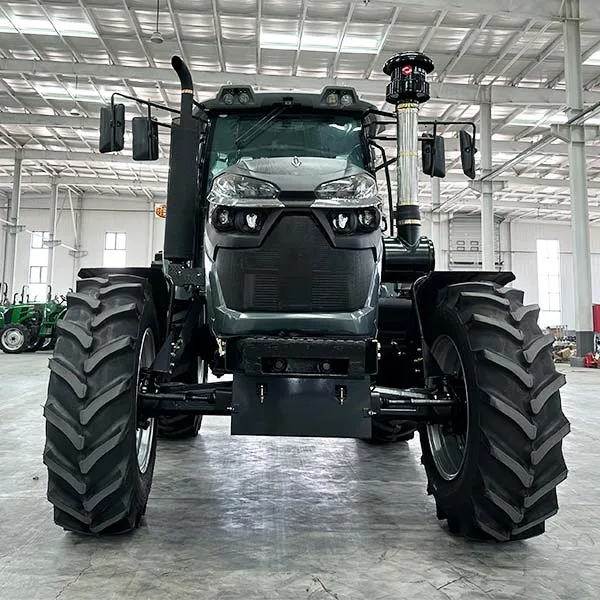
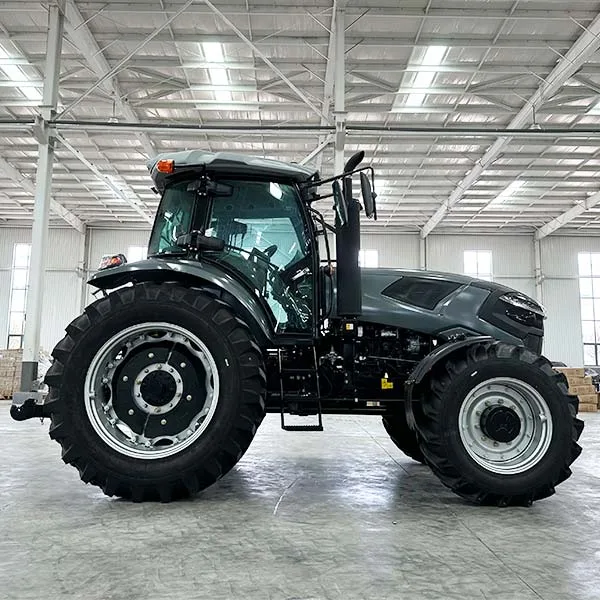
Compact Tractors in Categories of Tractors
Compact tractors, typically ranging from 15 to 40 horsepower, are designed for small-scale farming, landscaping, and property maintenance. Their small size and versatility make them ideal for tasks requiring maneuverability in tight spaces.
- Key Features: Lightweight, narrow turning radius, hydrostatic transmission, and Category 1 three-point hitch.
- Applications: Mowing lawns, tilling gardens, snow removal, and light material handling.
- Advantages: Easy to operate, fuel-efficient, and compatible with attachments like mowers, tillers, and front-end loaders.
- Terrain Suitability: Flat or gently sloping terrains, small properties (1–10 acres).
Compact tractors are a popular choice in the categories of tractors for homeowners and small-scale farmers seeking versatility and ease of use.
Utility Tractors in Categories of Tractors
Utility tractors, with horsepower ranging from 40 to 100, are versatile workhorses designed for medium-scale agricultural and industrial tasks. They offer a balance of power and maneuverability, making them suitable for a wide range of applications.
- Key Features: 4WD options, mid-PTO (power take-off), and robust hydraulic systems.
- Applications: Plowing, planting, hauling, and loader work in farming, as well as light construction tasks.
- Advantages: High attachment versatility, suitable for mixed terrains, and capable of handling heavier implements.
- Terrain Suitability: Mixed terrains, including hilly or uneven ground, medium-sized farms (10–100 acres).
Utility tractors are a key category in the categories of tractors, bridging the gap between compact and heavy-duty models.
Row Crop Tractors in Categories of Tractors
Row crop tractors, typically ranging from 100 to 300 horsepower, are designed for large-scale farming, particularly for tasks involving row crops like corn, soybeans, or cotton. Their design emphasizes precision and efficiency in field operations.
- Key Features: Adjustable wheel spacing, high ground clearance, advanced GPS and precision farming technology.
- Applications: Planting, cultivating, harvesting, and spraying crops in large fields.
- Advantages: High power output, precision control, and compatibility with large implements like planters and sprayers.
- Terrain Suitability: Large, flat fields with prepared soil, farms over 100 acres.
Row crop tractors are specialized within the categories of tractors, optimized for maximizing agricultural productivity.
Industrial Tractors in Categories of Tractors
Industrial tractors, also known as construction or loader tractors, are built for heavy-duty tasks in construction, landscaping, and material handling. They typically range from 50 to 150 horsepower and prioritize durability and stability.
- Key Features: Reinforced frames, heavy-duty tires, and integrated loaders or backhoes.
- Applications: Digging, grading, lifting, and transporting materials in construction or landscaping projects.
- Advantages: Robust build, high lifting capacity, and compatibility with attachments like backhoes and forklifts.
- Terrain Suitability: Rough, uneven terrains, construction sites, or large properties.
Industrial tractors stand out in the categories of tractors for their rugged performance in non-agricultural settings.
Specialty Tractors in Categories of Tractors
Specialty tractors are designed for niche applications, such as orchards, vineyards, or turf management, with horsepower typically between 20 and 80. Their compact, low-profile designs cater to specific environments.
- Key Features: Narrow width, low center of gravity, and specialized attachments like sprayers or flail mowers.
- Applications: Pruning, spraying, and harvesting in orchards/vineyards, or mowing in golf courses and parks.
- Advantages: High maneuverability in confined spaces, tailored for delicate or precise tasks.
- Terrain Suitability: Narrow rows, uneven or sloped terrains, orchards, or landscaped areas.
Specialty tractors are a unique segment in the categories of tractors, addressing highly specialized needs with precision.
Comparison Table of Categories of Tractors
To assist in selecting the appropriate tractor, the following table compares the major categories of tractors by function, highlighting their features, applications, and suitability. This table serves as a quick reference for matching tractor types to specific needs.
| Category | Horsepower Range | Key Features | Primary Applications | Terrain Suitability | Attachment Compatibility |
|---|---|---|---|---|---|
| Compact | 15–40 HP | Lightweight, hydrostatic transmission, Category 1 hitch | Mowing, tilling, snow removal | Flat, small properties (1–10 acres) | Mowers, tillers, loaders |
| Utility | 40–100 HP | 4WD, mid-PTO, robust hydraulics | Plowing, planting, hauling | Mixed terrains, medium farms (10–100 acres) | Plows, loaders, balers |
| Row Crop | 100–300 HP | Adjustable wheels, GPS technology | Planting, cultivating, harvesting | Large, flat fields (>100 acres) | Planters, sprayers, combines |
| Industrial | 50–150 HP | Reinforced frame, heavy-duty tires | Digging, grading, lifting | Rough, construction sites | Backhoes, forklifts, graders |
| Specialty | 20–80 HP | Narrow, low-profile design | Orchard/vineyard work, turf management | Narrow rows, sloped terrains | Sprayers, flail mowers |
This table provides a snapshot of the categories of tractors, helping users identify the best type for their operational requirements.
Applications of Categories of Tractors
Agricultural Applications of Categories of Tractors
Agriculture is the primary domain for most categories of tractors, with each type serving specific farming needs:
- Compact Tractors: Used for small farms or hobby farming, handling tasks like garden tilling or pasture mowing.
- Utility Tractors: Ideal for medium-scale farms, performing tasks like plowing, seeding, and hay baling.
- Row Crop Tractors: Designed for large-scale crop production, supporting precision tasks like planting and harvesting.
- Specialty Tractors: Employed in orchards and vineyards for tasks like pruning, spraying, and fruit harvesting.
These agricultural applications highlight the versatility of the categories of tractors in supporting food production.
Construction and Landscaping Applications of Categories of Tractors
Industrial and utility tractors play a significant role in construction and landscaping, where durability and power are essential:
- Industrial Tractors: Used for excavation, grading, and material transport on construction sites.
- Utility Tractors: Support landscaping tasks like leveling land, digging ponds, or installing fences.
- Compact Tractors: Handle smaller landscaping projects, such as lawn maintenance or tree planting.
The categories of tractors in these sectors ensure efficient and reliable performance in demanding environments.
Property Maintenance and Categories of Tractors
For property owners, compact and specialty tractors are ideal for maintaining large estates, parks, or recreational areas:
- Compact Tractors: Used for mowing large lawns, clearing snow, or maintaining driveways.
- Specialty Tractors: Employed in turf management for golf courses, sports fields, or public parks, ensuring precise mowing and grooming.
- Utility Tractors: Support larger maintenance tasks, such as hauling debris or grading pathways.
These applications demonstrate the role of categories of tractors in keeping properties functional and aesthetically pleasing.
Specialty Farming and Categories of Tractors
Specialty tractors are tailored for unique farming environments, such as:
- Vineyards: Narrow tractors navigate tight rows for spraying pesticides or harvesting grapes.
- Orchards: Low-profile tractors handle tasks like pruning or collecting fruit without damaging trees.
- Greenhouses: Compact specialty tractors manage soil preparation or material transport in confined spaces.
These niche applications underscore the importance of specialized categories of tractors in modern agriculture.
Selection and Maintenance of Categories of Tractors
Selecting the Right Category of Tractors
Choosing the appropriate category of tractors involves evaluating several factors:
- Task Requirements: Identify primary tasks (e.g., plowing, mowing, or digging) to determine the necessary power and attachments.
- Property Size: Match the tractor size to the area, with compact models for small plots and row crop tractors for large fields.
- Terrain Type: Consider whether the terrain is flat, hilly, or rough to select 2WD or 4WD models.
- Attachment Needs: Ensure the tractor supports the required implements, such as loaders, plows, or sprayers.
These considerations ensure the selected category of tractors aligns with operational goals and budget constraints.
Maintenance Practices for Categories of Tractors
Regular maintenance is essential to keep tractors in optimal condition, regardless of their category. Key practices include:
- Fluid Checks: Regularly inspect engine oil, hydraulic fluid, and coolant levels to prevent mechanical issues.
- Tire Maintenance: Check tire pressure and tread wear to ensure traction and stability.
- Cleaning: Remove dirt, debris, and crop residue to prevent corrosion and maintain performance.
- Scheduled Servicing: Follow manufacturer guidelines for filter replacements, belt inspections, and engine tune-ups.
Proper maintenance extends the lifespan of all categories of tractors, ensuring reliable operation and safety.
Environmental and Economic Benefits of Categories of Tractors

Environmental Sustainability in Categories of Tractors
Modern tractors across all categories are designed with sustainability in mind, incorporating features to reduce environmental impact:
- Fuel Efficiency: Advanced engines in utility and row crop tractors minimize fuel consumption, lowering emissions.
- Precision Farming: Row crop tractors with GPS and auto-steering reduce overlap in planting or spraying, conserving resources.
- Electric Models: Some compact and specialty tractors offer electric or hybrid options, reducing reliance on fossil fuels.
These eco-friendly features make the categories of tractors a sustainable choice for environmentally conscious operations.
Economic Advantages of Categories of Tractors
Investing in the right category of tractors offers significant economic benefits:
- Task Versatility: Multi-functional tractors reduce the need for multiple machines, saving on equipment costs.
- Reduced Labor Costs: Automation and efficiency in row crop tractors streamline large-scale operations.
- Long-Term Durability: Robust designs across all categories minimize repair and replacement expenses.
These economic advantages ensure that the categories of tractors deliver value over their operational life.
Conclusion
Understanding the different categories of tractors by function is crucial for selecting the right machine for your agricultural, construction, or maintenance needs. From compact tractors for small properties to row crop tractors for large-scale farming, each category offers unique features and applications tailored to specific tasks.
If you need more information, please feel free to contact us.
FAQ
What are the categories of tractors, and how are they defined?
The categories of tractors are defined by their functions, including compact (15–40 HP), utility (40–100 HP), row crop (100–300 HP), industrial (50–150 HP), and specialty (20–80 HP), each designed for specific tasks like mowing, plowing, or orchard work.
Why is it important to choose the right category of tractors?
Selecting the right category of tractors ensures task efficiency, fuel economy, and safety, matching the machine’s power, size, and features to the job and terrain for optimal performance.
What is the best category of tractors for small properties?
Compact tractors (15–40 HP) are ideal for small properties (1–10 acres), offering maneuverability and versatility for tasks like mowing, tilling, and snow removal.
Can utility tractors handle construction tasks?
Yes, utility tractors (40–100 HP) can handle light construction tasks like hauling or loader work, though industrial tractors are better suited for heavy-duty construction due to their robust build.
What are specialty tractors used for in the categories of tractors?
Specialty tractors are used for niche tasks like orchard and vineyard work, turf management, or greenhouse operations, designed with narrow, low-profile builds for confined spaces.