Welcome to My Blog!
Before we dive into the content, I’d love for you to join me on my social media platforms where I share more insights, engage with the community, and post updates. Here’s how you can connect with me:
Facebook:https://www.facebook.com/profile.php?id=100087112105480
Now, let’s get started on our journey together. I hope you find the content here insightful, engaging, and valuable.
Table of Contents
Introduction
If you’ve ever seen a compact machine zipping around a job site, lifting, digging, and even sweeping, you’ve probably seen a skid steer loader in action. But what is a skid steer loader used for exactly?
A skid steer loader is a versatile, compact machine commonly used in construction, agriculture, landscaping, and many other industries. It features a rigid frame and powerful lifting arms, typically equipped with different attachments for specific tasks. The true magic of a skid steer lies in its adaptability. Whether you’re clearing snow, grading soil, or hauling materials, there’s a high chance this machine can do it.
Let’s explore the wide range of jobs a skid steer loader is used for, the industries that rely on it, and why it might be the equipment you didn’t know you needed.
Common Construction Jobs: Skid Steer Loader on Site

In construction, time is money. That’s where skid steers truly shine.
Because of their compact size, skid steer loaders are perfect for navigating tight spaces on construction sites. Their applications include:
- Material Handling: Transporting sand, gravel, bricks, and more.
- Site Preparation: Grading land before laying foundations or roads.
- Excavation Work: With a backhoe or trenching attachment, they can handle light to medium digging tasks.
- Demolition: Fitted with a hydraulic breaker, a skid steer can break through concrete and other hard surfaces.
These loaders are often one of the first machines brought to a construction site—and one of the last to leave—due to their broad utility.
Landscaping and Agriculture: Two Big Uses for Skid Steers
In landscaping, skid steers are almost essential. What is a skid steer loader used for in this setting? It’s all about earthwork, shaping terrain, and handling bulk materials.
Here are a few typical tasks:
- Moving Dirt and Debris: Perfect for clearing leaves, branches, soil, and rocks.
- Grading and Leveling Lawns or Plots: Ensures flat, even surfaces for planting or building.
- Tree Planting or Removal: Auger attachments make quick work of digging holes for planting.
- Transporting Mulch and Fertilizer: Easy to scoop, load, and spread across large areas.
In agriculture, they’re often used in barns, feedlots, or fields for:
- Manure Removal
- Hay Bale Transportation
- Digging Trenches or Ditches for Irrigation
Because of their smaller footprint compared to large tractors, skid steers are ideal for tight farm environments like stables or greenhouses.
Skid Steer Loader Attachments and Their Use Cases
So, what is a skid steer loader used for when attachments come into play? Nearly everything. Attachments are what turn skid steers into true multi-tools on wheels. Here’s a breakdown of common attachments and their functions:
| Attachment | Common Use |
|---|---|
| Bucket | Lifting and moving dirt, gravel, or debris |
| Pallet Fork | Material handling in warehouses or construction sites |
| Auger | Digging post holes or planting trees |
| Trencher | Cutting narrow trenches for cables or pipelines |
| Snow Blower | Clearing snow from driveways and roads |
| Broom Sweeper | Cleaning large paved surfaces |
| Grapple | Handling logs, scrap metal, or bulky materials |
| Landscape Rake | Soil conditioning, debris removal in landscaping |
The right attachment can transform your skid steer into a snow plow, a trencher, or even a lawn mower. This is what makes it one of the most cost-effective machines for small and large operations alike.
Why Skid Steer Loaders Are a Must-Have for Equipment Fleets
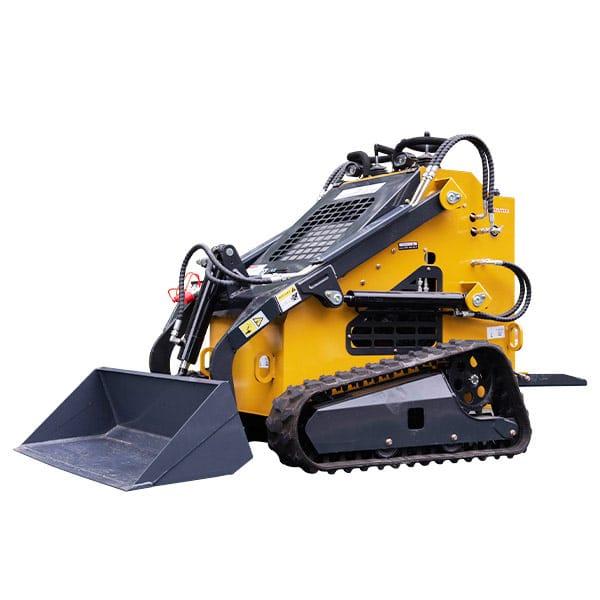
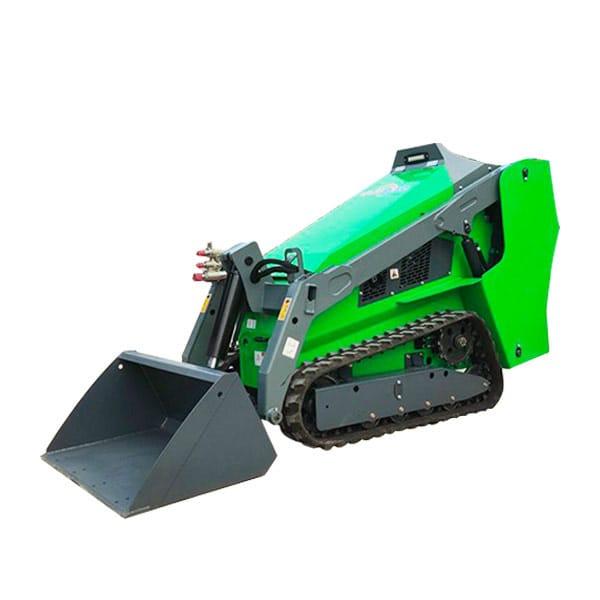
Beyond specific jobs, there’s a strategic reason why skid steer loaders are a favorite among fleet managers.
- Compact Design: Allows operation in urban environments or indoor spaces.
- Easy to Maintain: Their mechanical simplicity reduces maintenance costs.
- Affordable Used Market: Many contractors opt for used models to cut costs without sacrificing performance.
- Operator-Friendly Controls: Most machines are easy to learn, making training simpler and faster.
- Versatile Across Industries: From snow removal in municipal work to waste handling in recycling centers.
If you’re managing multiple job sites or need a machine that can adapt quickly to new tasks, the skid steer is hard to beat.
Conclusion
By now, you’ve got a clearer idea of what a skid steer loader is used for. Whether it’s construction, agriculture, landscaping, or municipal services, this machine offers incredible versatility, compact power, and long-term value—especially when paired with the right attachments.
For operations looking to expand capabilities without increasing footprint, adding a skid steer loader could be a smart move. Especially in today’s cost-sensitive market, investing in a used or refurbished model can provide excellent ROI.
If you’re considering one, be sure to assess your typical tasks and choose attachments that match your needs. And if you’re looking for expert guidance or cost-effective options, feel free to contact us—we’re here to help you make the right choice.
FAQ
Can a skid steer loader replace an excavator?
Not entirely, but it can handle light excavation tasks efficiently, especially in tight or small areas.
Is a skid steer good for snow removal?
Yes! With the right snowblower or plow attachment, it’s very effective for clearing snow in winter.
Can skid steers be used indoors?
Absolutely. Their compact design makes them suitable for warehouse and indoor demolition or cleaning jobs.
Are skid steer loaders fuel-efficient?
They are relatively fuel-efficient compared to larger machinery, especially when sized appropriately for the job.
What are the benefits of buying a used skid steer loader?
Lower upfront cost, quick ROI, and access to high-performance machines without the premium of new equipment.