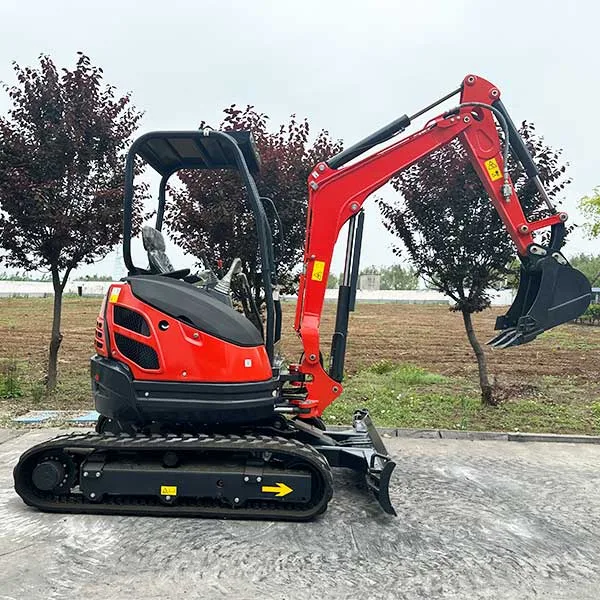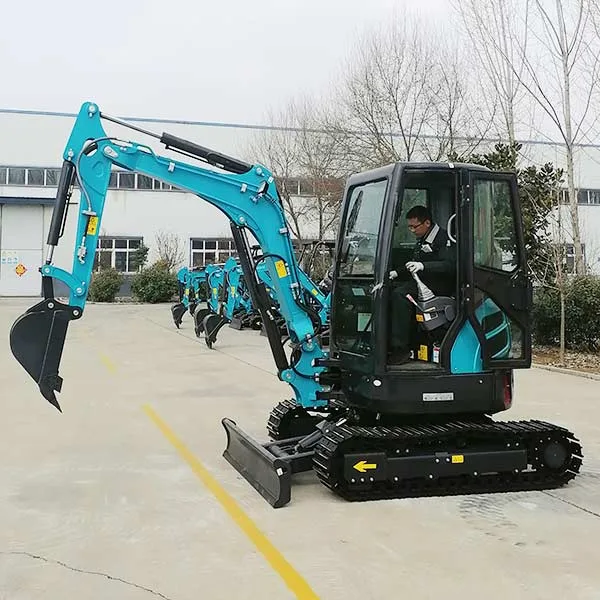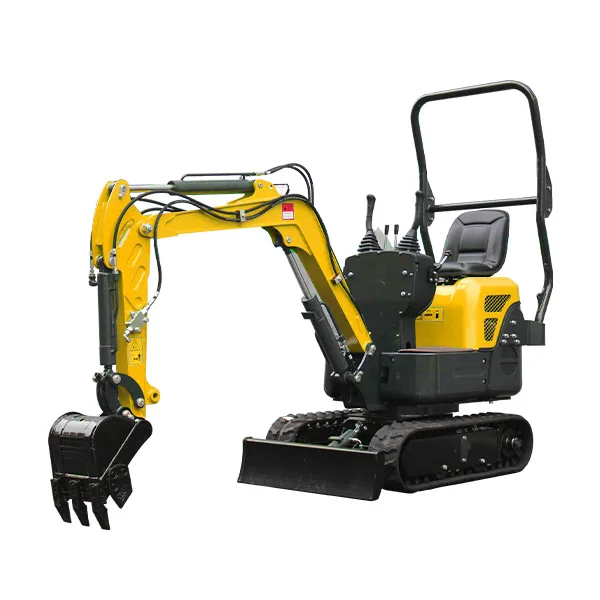
What difference between excavator and backhoe? This blog tells you.
Before we dive into the content, I’d love for you to join me on my social media platforms where I share more insights, engage with the community, and post updates. Here’s how you can connect with me:
Facebook:https://www.facebook.com/profile.php?id=100087112105480
Now, let’s get started on our journey together. I hope you find the content here insightful, engaging, and valuable.
Table of Contents
Introduction

When it comes to earthmoving and digging equipment, one question often pops up: what is the difference between excavator and backhoe machines? If you’re in construction, agriculture, landscaping, or utilities, making the right choice between these two machines can improve efficiency, lower operating costs, and extend the lifespan of your equipment fleet.
Both excavators and backhoes are staples on worksites around the world. They are designed for similar tasks—digging, lifting, and moving earth—but they differ significantly in design, capability, and ideal use cases. In this guide, we break down their differences, compare features, and explore which machine fits best for specific applications.
Key Features That Define Excavators and Backhoes
Let’s start by examining the structural and functional characteristics that distinguish an excavator from a backhoe. This table highlights the primary features side by side:
| Feature | Excavator | Backhoe |
|---|---|---|
| Primary Arm Location | Mounted on rotating cab | Attached at the rear of tractor body |
| Rotation Range | 360 degrees | About 200 degrees |
| Front-End Loader | Usually not included (except on mini models) | Typically includes front loader |
| Size and Power | Larger, more powerful | Smaller, more versatile for tight spaces |
| Ideal Application | Large-scale excavation, demolition | Light construction, trenching, farm work |
| Maneuverability | Requires transport to job site | Can be driven on roads |
| Operator Cabin | Fully enclosed, rotating cab | Fixed cab with multiple control systems |
According to the International Construction Equipment Association (ICEA), excavators account for nearly 50% of all heavy machinery used in modern construction, primarily due to their high efficiency in large-scale digging and material handling tasks.
Choosing Between Excavator and Backhoe Based on Application
Excavator: Built for Heavy-Duty Excavation
If your project involves deep digging, trenching, or demolishing structures, an excavator may be the better option. Its 360-degree rotating cab and long boom arm allow for precise control and powerful digging.
Common applications for excavators include:
- Road and bridge construction
- Mining operations
- Large-scale landscaping
- Foundation and trench digging
- Heavy-duty demolition
Excavators are also compatible with multiple hydraulic attachments, such as breakers, augers, and grapples, making them incredibly versatile for more specialized tasks.
Backhoe: The Jack-of-All-Trades Machine
A backhoe, on the other hand, combines digging capabilities with front-end loading functionality, making it a two-in-one machine ideal for small to medium-sized projects. Because it can travel on roads, it’s also a good fit for utility and municipal work.
Typical use cases for backhoes:
- Trenching for irrigation or piping
- Utility line installation and repair
- Light demolition
- General material handling
- Agricultural tasks like ditch clearing and feed lot maintenance
If you need a machine that can dig, load, and be driven directly to a job site, a backhoe is a practical solution.
Excavator vs. Backhoe: Which One Should You Choose?
There’s no one-size-fits-all answer, but your selection should be guided by three key factors: job site size, task complexity, and transportation logistics.
When to Choose an Excavator:
- You require maximum digging power and reach.
- The terrain is rough or the digging depth is significant.
- You plan to use multiple hydraulic attachments.
- You’re working on a long-term site where transporting machinery isn’t a daily task.
When to Choose a Backhoe:
- You need a multi-function machine for general purposes.
- The job site is small or spread across various locations.
- You need to drive the equipment short distances between jobs.
- You’re working on agricultural or municipal tasks.
Common Mistakes to Avoid When Choosing

Many buyers or rental users overlook the practical details. Here are some common pitfalls:
- Overestimating the need for power – Don’t opt for an excavator if a backhoe is sufficient. It may waste fuel and increase transport costs.
- Ignoring road access requirements – Excavators often require a flatbed or trailer for movement, while backhoes can drive on roads.
- Not considering attachments – Ensure that the machine you choose supports the specific tools you plan to use.
According to a 2023 survey by Global Machinery Insights, over 30% of small contractors switch from an excavator to a backhoe after realizing they needed more flexibility for road access and multiple tools in one.
Conclusion
Understanding the difference between excavator and backhoe is more than just knowing their appearance. It’s about aligning your project needs with the right tool for the job. Excavators offer unmatched power and reach for large-scale operations, while backhoes provide unmatched versatility for smaller, multi-functional tasks.
By making an informed decision, you’ll increase efficiency, reduce operating costs, and improve overall project performance.
If you’re looking for dependable construction and agricultural equipment tailored to your needs, Baolu is here to help. Our range of excavators and backhoes are engineered for performance, durability, and operator comfort—no matter where your job takes you. Contact us today to find the right machine for your next job.
FAQ
Can a backhoe do the same work as an excavator?
To some extent, yes. Backhoes are versatile and can handle many excavation tasks, but they aren’t as efficient or powerful for deep or heavy-duty digging.
Which machine is easier to transport?
Backhoes are easier to transport because they can be driven directly to the site. Excavators usually require a trailer or flatbed.
Is an excavator more expensive than a backhoe?
Generally, yes. Excavators tend to be more expensive to purchase and operate due to their size, fuel consumption, and transport needs.
Which is better for farming?
Backhoes are typically more suitable for agricultural tasks because of their dual function and ability to maneuver easily on farms.
How do attachments affect the machine choice?
If you need specialized attachments like hydraulic breakers or grapples, an excavator is usually the better choice due to its stronger hydraulic system.