Heavy machinery is essential in construction, agriculture, and landscaping, and three of the most common machines are diggers, excavators, and backhoes. Although these terms are often used interchangeably, each machine has unique features, strengths, and applications. Understanding the differences between a digger, an excavator, and a backhoe is critical for selecting the right equipment for your project.
In this guide, we will break down each machine’s characteristics, uses, and maintenance tips to help you make informed decisions for efficiency and productivity.
Table of Contents
What Is an Excavator?

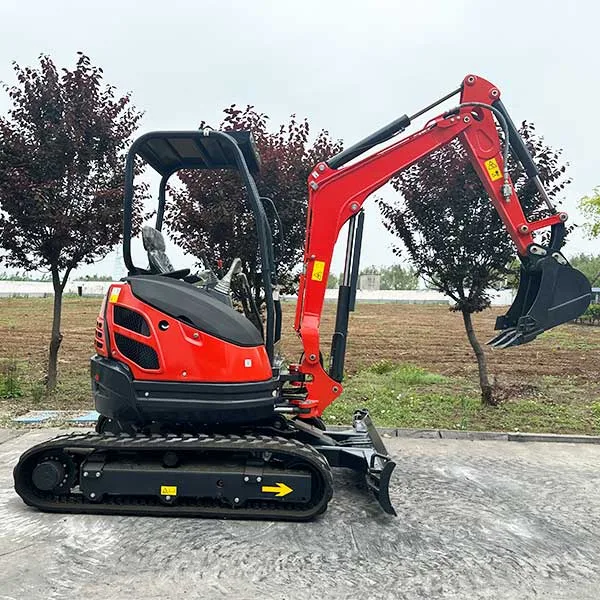
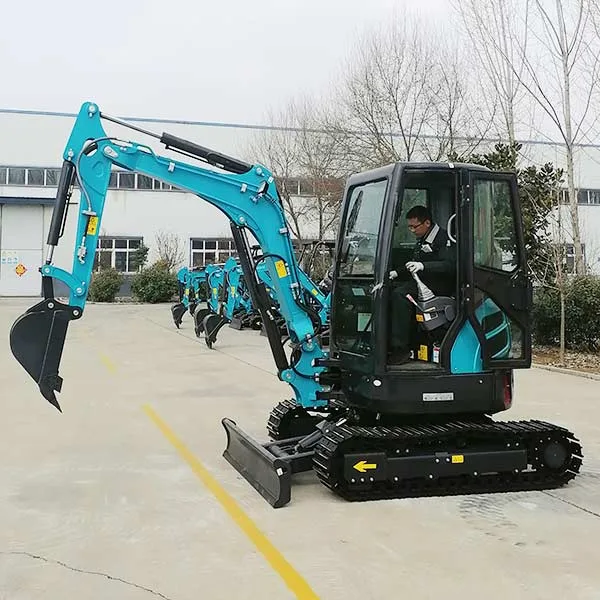
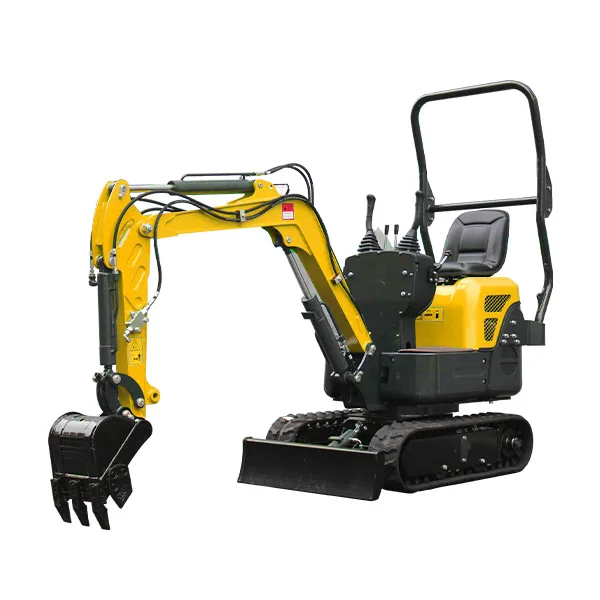
An excavator is a heavy-duty machine designed for large-scale digging and lifting tasks. Unlike a digger, an excavator can handle substantial volumes of earth and operate in more challenging terrains. Excavators come in tracked or wheeled versions, with tracked excavators providing superior stability on uneven ground.
Excavators are commonly used in road construction, mining and quarrying, large-scale landscaping, and foundation digging for buildings. Their long arms, high horsepower, and ability to use multiple attachments make them ideal for heavy-duty tasks.
What Is a Backhoe?
A backhoe combines the digging capabilities of an excavator with the mobility of a loader. It features a rear digging bucket mounted on a hydraulic arm and a front loader bucket for lifting or moving materials. Backhoes are often smaller than full-sized excavators but more versatile, making them suitable for mixed-use operations.
Backhoe applications include small to medium-scale construction projects, urban digging and utility work, loading and transporting materials, and landscaping with moderate excavation needs. Because a backhoe can perform multiple tasks, it is popular among contractors who need both a loader and a digger in one machine.
Key Differences: Excavator vs Backhoe
Understanding the differences between a digger, an excavator, and a backhoe helps you select the right machine for your project. Diggers are ideal for small-scale or light work, excavators excel in heavy-duty excavation, and backhoes provide a versatile solution for mixed tasks.
| Machine | Primary Use | Mobility | Strengths |
|---|---|---|---|
| Excavator | Heavy-duty excavation | Tracked or wheeled | High power, long reach, durable |
| Backhoe | Multi-purpose digging & loading | Wheeled | Versatile, compact, dual-function |
By analyzing your project’s scale, terrain, and task requirements, you can determine which machine is the most efficient and economical.
Maintenance Tips: Excavator vs Backhoe
Maintaining excavators, and backhoes is essential for safe and efficient operation. Regular servicing prevents breakdowns and extends machine lifespan.
Key maintenance tasks include checking hydraulic fluids daily or weekly to prevent leaks, inspecting tracks or tires weekly to ensure stability, changing engine oil every 200–250 hours, cleaning air filters every 50–100 hours, and lubricating moving parts every 50 hours of operation. Regular inspections and preventive maintenance improve efficiency and reduce costly downtime.

Conclusion
Choosing between a excavator, and backhoe depends on the scope and scale of your project. Understanding their strengths, applications, and maintenance needs ensures that you select the right machine to maximize productivity and minimize operational costs. Diggers are perfect for smaller tasks, excavators for heavy-duty excavation, and backhoes for versatile, mixed-use work.
If you need help choosing the right machine or want advice on the best equipment for your projects, contact us today. Our experts are ready to guide you in selecting a digger, excavator, or backhoe that fits your needs perfectly.
FAQ
Can a digger replace an excavator?
No, diggers are smaller and better for light work, while excavators are designed for heavy-duty tasks.
Is a backhoe suitable for small construction projects?
Yes, backhoes are versatile and ideal for small to medium-scale projects requiring digging and loading.
How often should I service an excavator?
Regular servicing is recommended every 200–250 operating hours, along with daily inspections of fluids and tracks.
Which machine is best for uneven terrain?
Excavators, especially tracked models, perform best on rough or uneven surfaces.
Can a backhoe handle deep excavation?
A backhoe can handle moderate excavation but is limited in depth compared to a full-sized excavator.