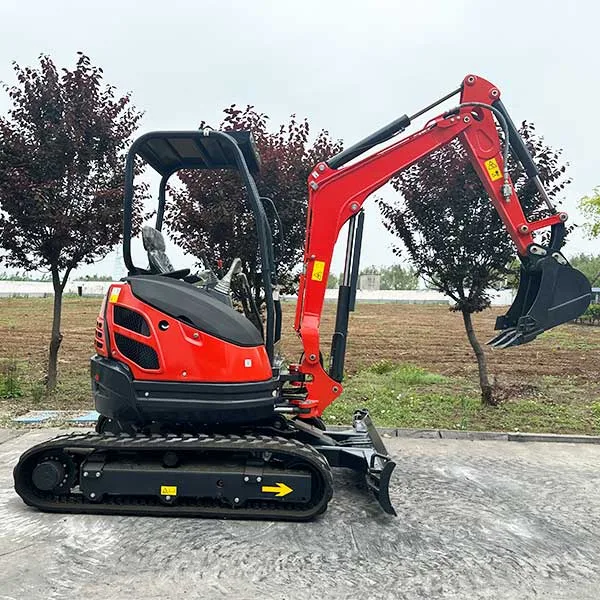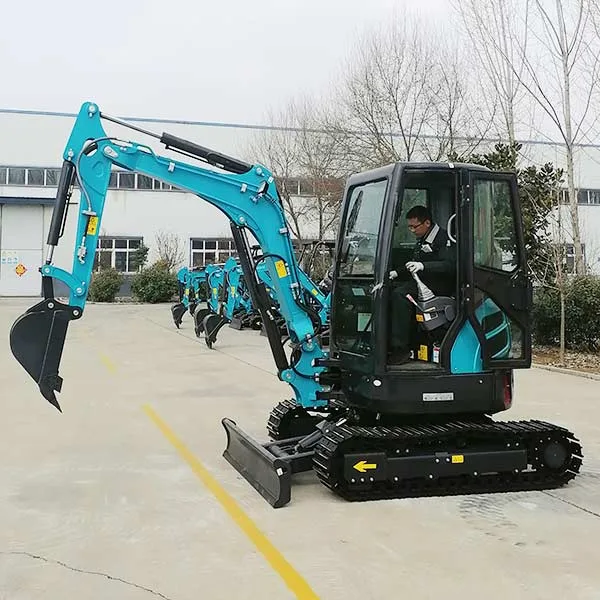
A mini excavator, also known as a compact excavator, has become one of the most valuable machines in modern construction, landscaping, and agriculture. Its compact size, versatility, and power make it ideal for tight spaces and precision tasks where larger machines cannot operate effectively.
In this guide, we will explore what a mini excavator is, its types, uses, and essential maintenance practices to help you maximize efficiency and extend your machine’s lifespan.
Table of Contents
What Is a Mini Excavator?
A mini excavator is a smaller version of a standard excavator, typically weighing between 1 and 10 tons. Despite its compact size, it offers powerful digging and lifting capabilities. Mini excavators are equipped with tracks for stability, a rotating cab for enhanced maneuverability, and a hydraulic arm that supports a range of attachments, including buckets, augers, and breakers.
Mini excavators are widely used in urban construction, landscaping, and light demolition due to their ease of transportation, efficient operation in confined spaces, and minimal ground disturbance.
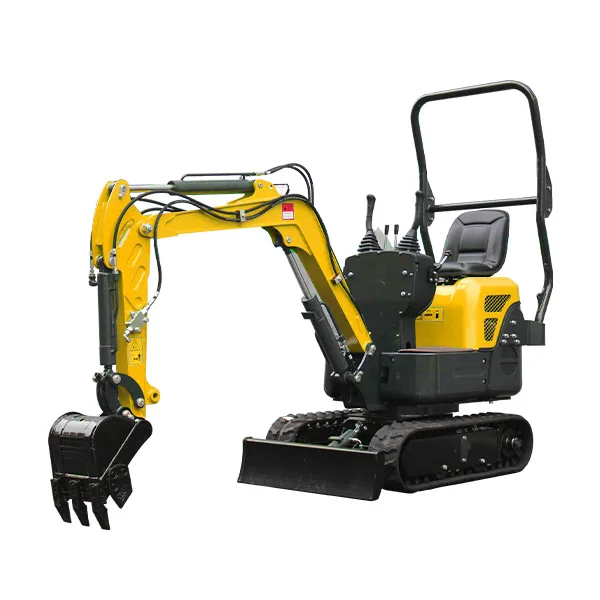
Main Types of Mini Excavators
Mini excavators come in different sizes and configurations to suit specific tasks. Below is a breakdown of common types:
| Type of Mini Excavator | Operating Weight Range | Best Use |
|---|---|---|
| Micro Excavator | Under 2 tons | Indoor or backyard projects |
| Compact Mini Excavator | 2–5 tons | Landscaping, small trenching, utility work |
| Mid-size Mini Excavator | 5–10 tons | Small construction, road repair, and farming |
Each model offers different advantages. For instance, a micro excavator is ideal for confined areas, while a mid-size mini excavator handles heavier loads and deeper digging.
Key Advantages of Using a Mini Excavator
A mini excavator offers several benefits that make it a favorite among contractors and operators:
- Compact and Versatile: The small size allows it to operate in narrow or urban spaces where large excavators cannot reach.
- Easy Transportation: Most models can be easily transported with a standard trailer, saving time and logistics costs.
- Fuel Efficiency: Mini excavators consume less fuel, making them more environmentally friendly and cost-effective.
- Reduced Ground Damage: The lighter weight minimizes soil compaction and damage to surfaces.
- Attachment Flexibility: You can switch attachments quickly to perform digging, grading, lifting, and even drilling.
Common Applications of Mini Excavators
Mini excavators are extremely adaptable across industries. They are used for:
- Digging trenches for plumbing or electrical lines
- Landscaping and tree planting
- Grading soil and creating slopes
- Small-scale demolition or concrete removal
- Road repair and maintenance
- Agricultural projects such as irrigation ditching
Their flexibility makes them a reliable solution for contractors who manage multiple types of projects.
Key Specifications to Consider Before Choosing a Mini Excavator
When selecting a mini excavator, understanding the machine’s specifications is crucial to ensure it meets your project requirements.
| Specification | What to Consider |
|---|---|
| Operating Weight | Determines stability and lifting capacity. Heavier units offer more power but less portability. |
| Digging Depth | Choose a depth that suits your typical job site requirements. |
| Bucket Capacity | Impacts how much material can be moved per cycle. |
| Hydraulic Power | Affects the strength and efficiency of attachments. |
| Tail Swing Design | Zero tail swing models are best for confined spaces. |
Choosing the right combination of these specifications ensures productivity and safety on every project.

Maintenance Tips for Mini Excavators
Proper maintenance is essential to keep your mini excavator running smoothly and safely. Routine care reduces downtime and extends equipment life.
| Maintenance Task | Frequency | Purpose |
|---|---|---|
| Inspect Hydraulic Lines | Weekly | Detect leaks and maintain pressure |
| Change Engine Oil | Every 250 hours | Keeps the engine efficient and clean |
| Clean or Replace Filters | Every 100 hours | Protects against dust and debris |
| Check Track Tension | Weekly | Prevents premature wear |
| Lubricate Moving Joints | Every 50 hours | Reduces friction and component wear |
Consistent preventive maintenance ensures your mini excavator performs reliably in any environment.
Conclusion
The mini excavator is a compact powerhouse that brings versatility, efficiency, and precision to any worksite. Whether you’re in construction, landscaping, or agriculture, a mini excavator can handle a wide range of tasks while saving time and resources.
If you’re looking to upgrade your fleet or find the perfect mini excavator for your next project, contact us today. Our expert team can help you choose the right model to match your operational needs and boost your productivity.
FAQ
What is the average weight of a mini excavator?
Most mini excavators weigh between 1 and 10 tons, depending on size and configuration.
What can a mini excavator be used for?
They are perfect for digging, trenching, landscaping, and small demolition tasks.
How deep can a mini excavator dig?
Typically between 5 and 12 feet, depending on model and boom length.
How long does a mini excavator last?
With proper maintenance, a mini excavator can last over 10,000 operating hours.
Are mini excavators easy to operate?
Yes, most models are user-friendly, with smooth controls and minimal training required.