Crawler diggers are essential machines in construction, mining, agriculture, and landscaping projects. Known for their tracked mobility, powerful hydraulic systems, and durability, crawler diggers can handle tough terrain and heavy loads that wheeled machines often cannot. This guide will explain the different types of crawler diggers, their applications, key attachments, maintenance tips, and how to choose the right machine for your project.
Table of Contents
What is a Crawler Digger?
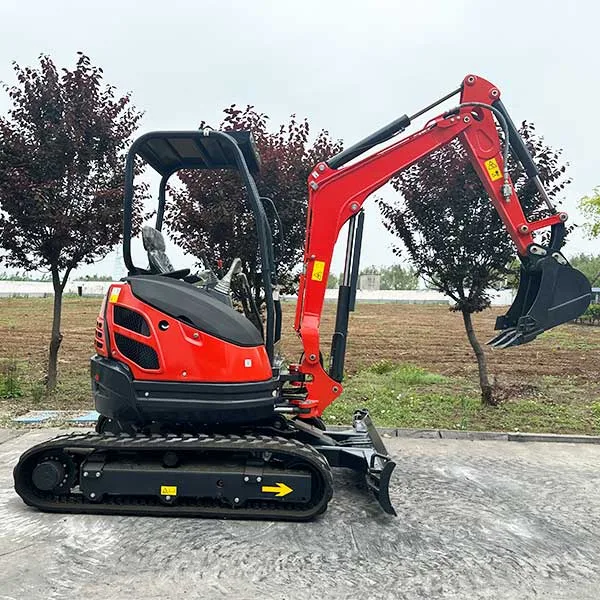
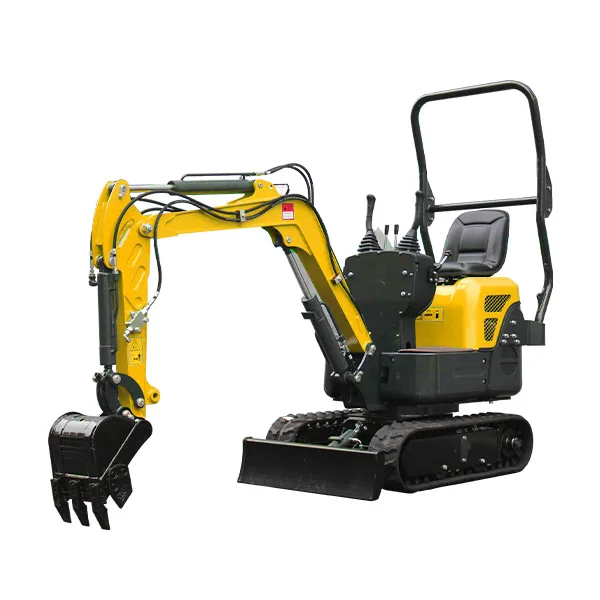
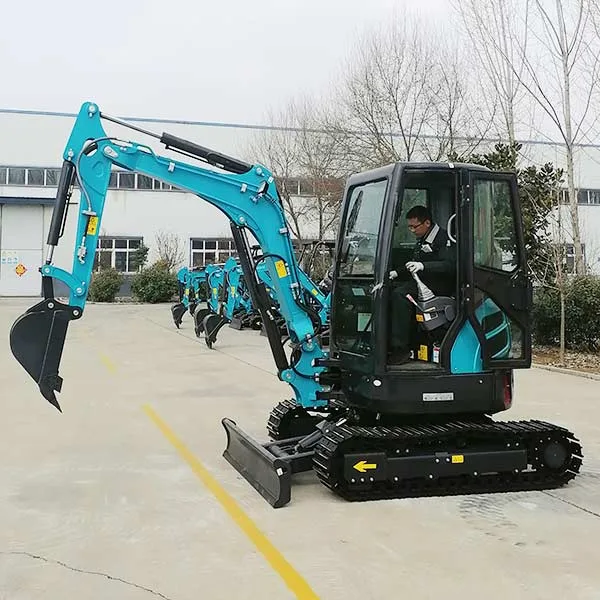
A crawler digger is a type of excavator mounted on continuous tracks instead of wheels, which provides superior stability and traction on uneven, soft, or muddy terrain. It features a hydraulic arm with a bucket or other attachments and is ideal for digging, lifting, and material handling tasks.
Key features include:
- Continuous tracks for stability and traction
- Hydraulic arm for precise digging and lifting
- Rotating cab for flexible operation
- Versatile attachments for multiple applications
Crawler diggers are suitable for both small-scale projects and large construction sites due to their reliability and versatility.
Types of Crawler Diggers
Crawler diggers come in several configurations to meet different project requirements.
| Type of Crawler Digger | Operating Weight | Best Uses |
|---|---|---|
| Mini Crawler Digger | 1–5 tons | Landscaping, small construction, trenching |
| Medium Crawler Digger | 5–15 tons | Urban construction, roadwork, small mining |
| Large Crawler Digger | 15–40 tons | Heavy construction, mining, large-scale projects |
| Wheeled vs Crawler Hybrid | 5–20 tons | Flexible use on mixed terrain |
Mini crawler diggers are ideal for tight spaces, while large crawler diggers are used for heavy-duty excavation and lifting.

Uses and Applications of Crawler Diggers
Crawler diggers are widely used in various industries:
- Construction Projects: Digging foundations, trenches, and roads.
- Mining and Quarrying: Excavating rock, gravel, and other materials.
- Landscaping and Urban Development: Grading soil, planting, and minor demolition.
- Agriculture: Ditching, land leveling, and irrigation projects.
- Demolition: Breaking concrete, moving debris, and site clearing.
Crawler diggers are preferred in areas where wheeled excavators cannot maintain traction or stability.
Operating a Crawler Digger Safely
Safe operation is crucial for productivity and preventing accidents.
- Pre-Operation Inspection: Check tracks, hydraulic lines, and attachments.
- Operating Techniques: Learn proper digging, lifting, and trenching methods.
- Safety Precautions: Wear protective equipment and avoid overloading the arm or bucket.
Well-trained operators increase efficiency and reduce wear on the machine.
Crawler Digger Attachments and Accessories
Attachments increase the versatility of crawler diggers:
- Buckets: Standard, trenching, or grading for different tasks
- Hydraulic Hammers: For breaking hard surfaces
- Grapples and Thumbs: For lifting irregular or bulky materials
- Augers: For drilling posts or planting
Selecting the right attachment depends on the project type, and regular maintenance ensures optimal performance.
Choosing the Right Crawler Digger
When selecting a crawler digger, consider:
- Operating Weight: Heavier machines provide more power but may be less portable
- Digging Depth and Reach: Determines efficiency for excavation tasks
- Hydraulic System: Stronger hydraulics allow smoother operation and lifting
- Track Type: Wide tracks offer better stability on soft or muddy terrain
Choosing the correct configuration ensures efficiency and cost-effectiveness.
Maintenance Tips for Crawler Diggers
Proper maintenance ensures long-term performance:
| Maintenance Task | Frequency | Purpose |
|---|---|---|
| Inspect Hydraulic Lines | Daily/Weekly | Detect leaks and maintain pressure |
| Change Engine Oil | Every 250 hours | Keep engine running efficiently |
| Clean or Replace Air Filters | Every 100 hours | Protect engine from dust and debris |
| Inspect Tracks | Weekly | Prevent wear and ensure traction |
| Lubricate Moving Parts | Every 50 hours | Reduce friction and extend component life |
Regular preventive maintenance reduces downtime and repair costs.

Common Problems and Troubleshooting
Crawler diggers may encounter issues such as:
- Track and Undercarriage Wear: Check track tension and alignment regularly
- Hydraulic System Problems: Monitor for leaks or pressure loss
- Engine Issues: Keep oil and filters clean to maintain efficiency
- Electrical Problems: Inspect wiring and fuses periodically
Proactive maintenance prevents most operational issues.
FAQ
What is a crawler digger used for?
Crawler diggers are used for excavation, lifting, trenching, demolition, and landscaping tasks on rough or soft terrain.
How heavy is a crawler digger?
Crawler diggers range from 1 to 40 tons depending on model and configuration.
Can crawler diggers operate on soft or muddy terrain?
Yes, their tracks provide superior stability and traction compared to wheeled excavators.
What attachments are compatible with crawler diggers?
Buckets, hydraulic hammers, thumbs, grapples, and augers are commonly used.
How often should a crawler digger be maintained?
Daily inspections, weekly checks, and oil changes every 250 hours are recommended to ensure reliable operation.
Conclusion
Crawler diggers are durable, versatile machines suitable for construction, mining, agriculture, landscaping, and demolition. Choosing the right type, using proper attachments, and performing regular maintenance ensures maximum efficiency and longevity.
Need Help Choosing the Right Crawler Digger? If you’re unsure which crawler digger is best for your project, our experts are here to help. Contact us today for a personalized consultation and ensure your project runs efficiently and safely. Don’t wait—get in touch now to find the perfect crawler digger for your needs!