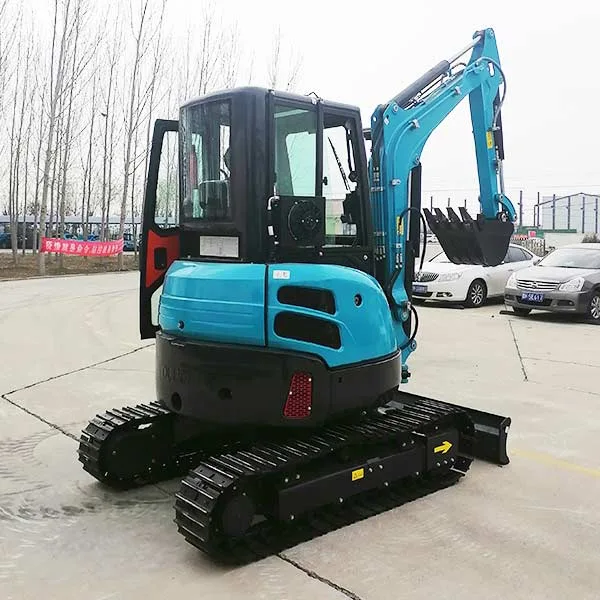
A crawler digger is one of the most essential pieces of heavy equipment in construction, mining, and large-scale agriculture. Built on a tracked platform instead of wheels, the crawler digger provides exceptional stability, power, and performance on challenging terrain. Whether you are moving earth, digging foundations, or clearing land, understanding crawler diggers can help you maximize productivity and extend the lifespan of your machine.
This blog explores what crawler diggers are, the different types available, their common uses, and key maintenance practices every operator should know.
Table of Contents
What Is a Crawler Digger?
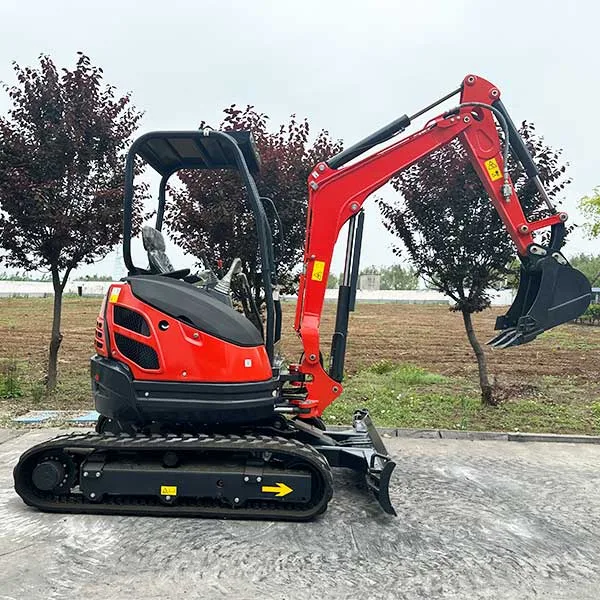
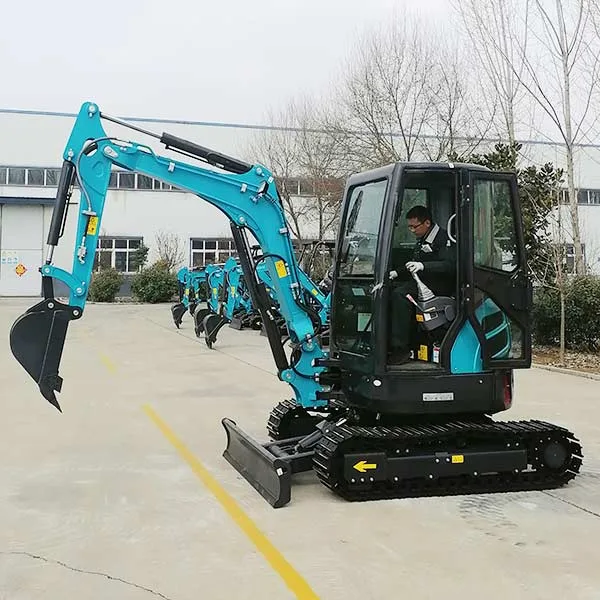
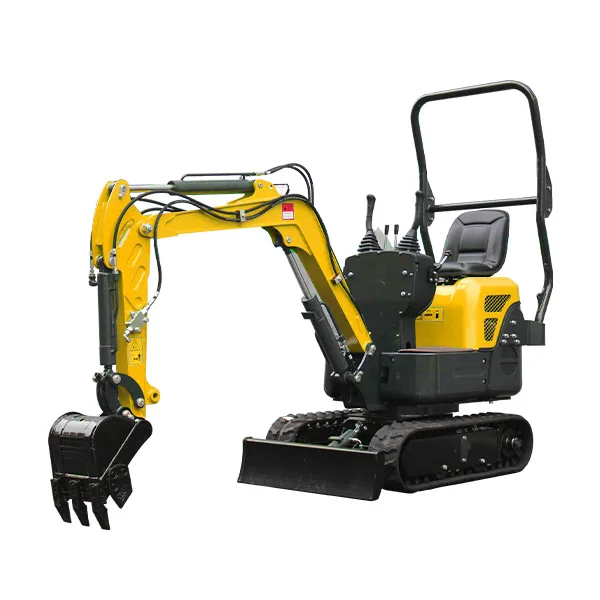
A crawler digger is a type of excavator that runs on tracks instead of tires. This design allows the machine to handle rough, muddy, or uneven ground without losing balance. Crawler diggers are equipped with a boom, stick, and bucket that enable them to dig, lift, and move heavy materials efficiently. Their versatility makes them suitable for construction, agriculture, landscaping, and mining operations.
Types of Crawler Diggers
Crawler diggers come in various sizes and capacities, designed to meet specific project requirements. Below is a breakdown of the most common types:
| Type of Crawler Digger | Size Range | Typical Applications |
|---|---|---|
| Mini Crawler Digger | 1–6 tons | Landscaping, small construction, utility work |
| Medium Crawler Digger | 7–45 tons | Roadwork, building foundations, farming tasks |
| Large Crawler Digger | 46+ tons | Mining, large infrastructure, heavy excavation |
Choosing the right type depends on the scale of your project, the material you are working with, and the ground conditions.
Common Uses of Crawler Diggers
Crawler diggers are widely used across multiple industries because of their strength and adaptability. Some of the most common applications include:
- Excavating soil and rocks for foundations or roadwork
- Clearing land for agricultural or construction projects
- Digging irrigation channels and drainage systems
- Lifting and transporting heavy materials
- Mining operations and quarrying
- Landscaping tasks like tree removal or grading terrain
Because crawler diggers can handle challenging terrains, they are preferred in projects where wheeled equipment may not perform effectively.
Key Features to Consider When Choosing a Crawler Digger
When selecting a crawler digger, focus on features that align with your project requirements.
| Feature | Why It Matters |
|---|---|
| Operating Weight | Determines how much material the machine can handle |
| Engine Power | Higher power improves digging depth and lifting force |
| Bucket Capacity | Impacts how much material can be moved per cycle |
| Hydraulic System | Affects speed, precision, and control |
| Track Design | Wider tracks offer more stability on soft ground |
Understanding these features ensures you invest in a machine that delivers both performance and efficiency.
Essential Maintenance Tips for Crawler Diggers
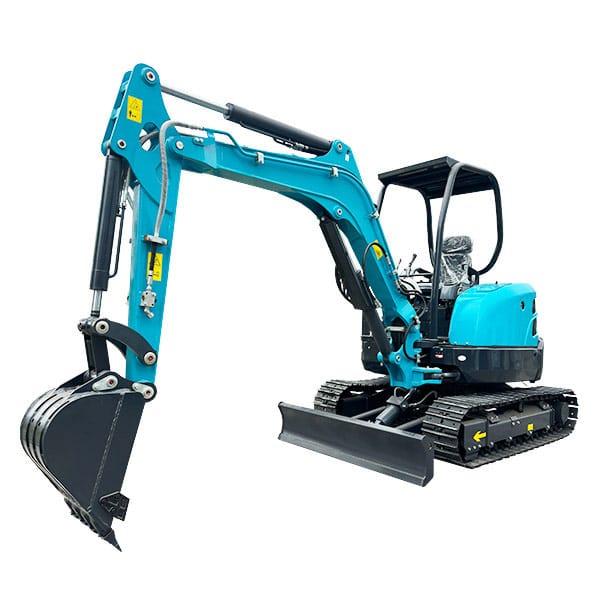
Maintaining your crawler digger is critical to extending its lifespan and ensuring safe operation. Below are key maintenance tasks:
| Maintenance Task | Frequency | Purpose |
|---|---|---|
| Inspect Hydraulic System | Daily/Weekly | Prevents leaks and ensures smooth operation |
| Change Engine Oil | Every 250 hours | Keeps the engine running efficiently |
| Clean Air Filters | Every 100 hours | Protects the engine from dust and debris |
| Inspect Tracks | Weekly | Ensures stability and prevents wear damage |
| Grease Moving Parts | Every 50 hours | Reduces friction and extends component life |
Consistent inspections and timely servicing are essential for reducing downtime and avoiding costly repairs.
Conclusion
A crawler digger is an indispensable machine for industries that require strength, stability, and versatility. From construction sites to agricultural fields and mining operations, crawler diggers ensure that projects run smoothly and efficiently. By choosing the right type and following proper maintenance practices, you can get the best performance and the longest service life from your machine.
If you are considering adding a crawler digger to your fleet or want expert guidance on the best model for your needs, contact us today. Our team is ready to help you find the perfect solution for your projects.
FAQ
What is the difference between a crawler digger and a wheeled excavator?
A crawler digger uses tracks for stability on rough terrain, while a wheeled excavator is better suited for paved surfaces and faster movement.
What size crawler digger is best for small projects?
Mini crawler diggers, ranging from 1 to 6 tons, are ideal for landscaping and utility work.
How often should I service a crawler digger?
Basic maintenance, like greasing, should be done every 50 hours, while oil changes are recommended every 250 hours.
Can crawler diggers be used for farming?
Yes, crawler diggers are often used in agriculture for digging irrigation systems, land clearing, and trenching.
How long do crawler diggers last?
With regular maintenance, crawler diggers can last over 10,000 operating hours, depending on usage and care.