Table of Contents
Excavator vs Backhoe: Which Machine is Right for Your Project?
Construction, landscaping, and agricultural projects often require powerful digging and lifting equipment. Choosing the right machine is crucial for efficiency and cost-effectiveness. In this guide, we compare two popular machines—excavator and backhoe—highlighting their features, applications, advantages, and maintenance tips. By the end, you’ll understand which machine suits your specific project.
What is an Excavator?
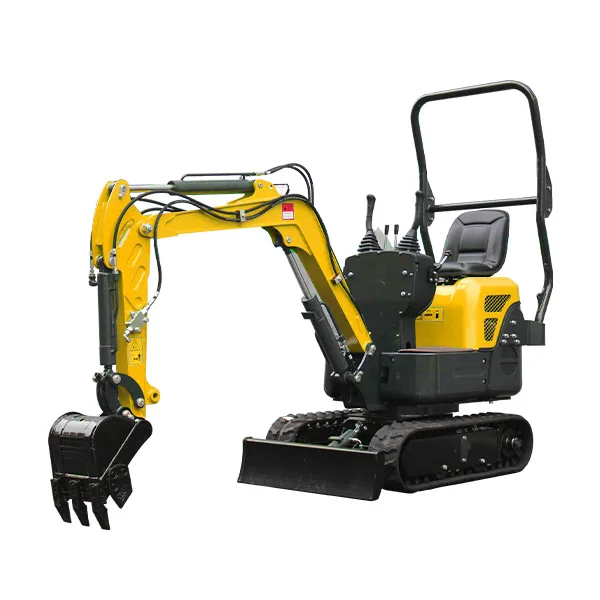
Excavators are large machines designed for heavy-duty tasks. They usually include:
- Rotating cab for 360-degree operation
- Tracks for stability on rough terrain
- Hydraulic arm with multiple attachment options
- High digging depth and lifting capacity
Excavators are commonly used in large-scale construction, mining, and major landscaping projects due to their power and versatility.
What is a Backhoe?
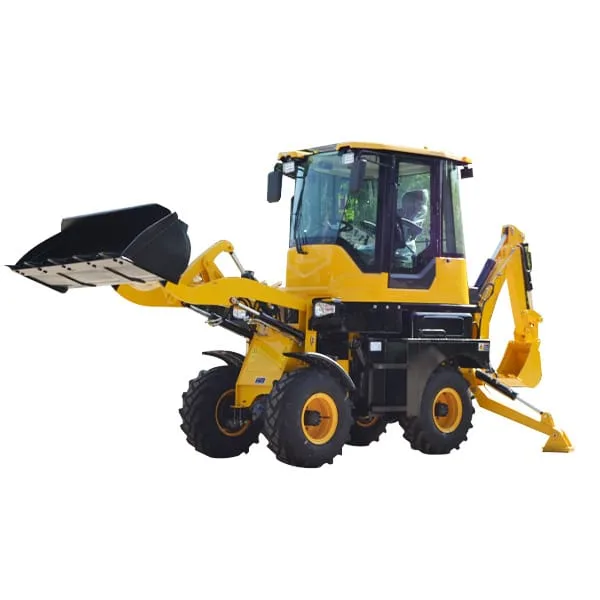
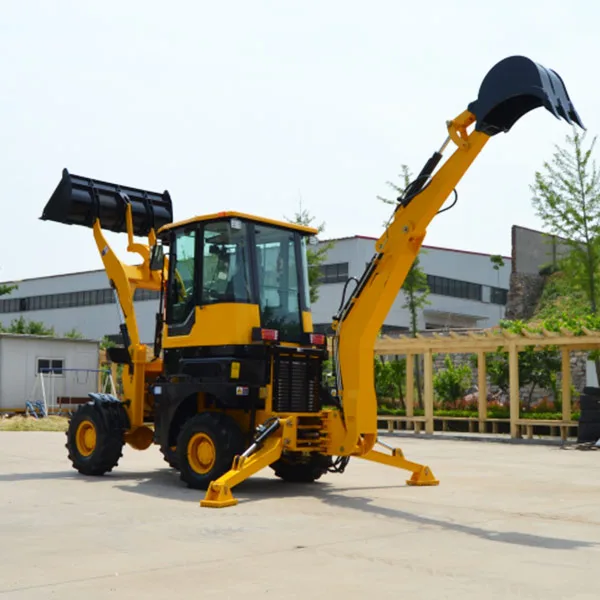
A backhoe combines a digging bucket on the rear and a loader on the front. Features include:
- Dual functionality for excavation and material handling
- Wheeled or tracked chassis
- Compact design for medium-scale projects
- Often paired with tractors or small construction vehicles
Backhoes are ideal for urban construction, road repair, and projects requiring frequent digging and loading.
Key Differences Between Excavator and Backhoe
| Feature | Excavator | Backhoe |
|---|---|---|
| Primary Use | Heavy excavation | Digging and loading |
| Mobility | Tracks | Wheels or tracks |
| Digging Depth | High | Moderate |
| Versatility | High (attachments) | High (dual function) |
| Ideal Project Size | Large | Medium |
| Operator Skill Required | Advanced | Moderate |
| Typical Attachments | Buckets, hammers, grapples | Buckets, loaders, augers |
Understanding these differences helps you choose the right machine for your project efficiently.
Applications for Each Machine
- Excavator: Large-scale construction, mining, and major earthworks
- Backhoe: Road repair, medium construction projects, and utility maintenance
Using the appropriate machine improves productivity and reduces costs.
Operating Tips and Safety
Safe operation ensures efficiency and prevents accidents:
- Perform pre-operation inspections
- Understand weight limits and lifting capacities
- Follow recommended digging techniques
- Wear protective gear and follow safety guidelines
Proper training is essential for maximizing machine performance and lifespan.
Maintenance Tips
Routine maintenance is key to long-term reliability:
| Maintenance Task | Frequency | Purpose |
|---|---|---|
| Inspect Hydraulic Lines | Daily/Weekly | Detect leaks and maintain pressure |
| Check Engine Oil | Every 250 hours | Keep the engine running efficiently |
| Clean Air Filters | Every 100 hours | Prevent dust and debris from affecting performance |
| Inspect Tracks or Wheels | Weekly | Ensure stability and prevent premature wear |
| Lubricate Moving Parts | Every 50 hours | Reduce friction and extend machine life |
Preventive maintenance reduces downtime and repair costs.
Common Problems and Troubleshooting
- Hydraulic System Issues: Leaks or pressure loss can affect digging and lifting
- Track or Wheel Wear: Uneven terrain and improper tension accelerate wear
- Engine Problems: Dirty filters or improper oil maintenance reduces efficiency
- Electrical Issues: Check wiring, connections, and fuses regularly
Proactive maintenance and proper operation prevent most operational problems.
FAQ
Which machine digs deeper?
Excavators typically dig deeper than backhoes, making them ideal for heavy-duty projects.
Can backhoes perform multiple functions?
Yes, backhoes can dig and load materials using the rear bucket and front loader.
Are backhoes suitable for small urban projects?
Yes, backhoes are ideal for medium-scale projects and confined spaces.
What is the main advantage of an excavator?
Excavators provide higher power, stability, and versatility for large-scale digging and material handling.
How do I maintain these machines efficiently?
Perform daily inspections, check hydraulic systems, clean filters, inspect tracks or wheels, and lubricate moving parts regularly.
Conclusion
Choosing between an excavator and a backhoe depends on project size, digging depth, and required versatility. Understanding each machine’s strengths ensures your project runs smoothly and efficiently.
Need Help Choosing the Right Excavator or Backhoe? If you’re unsure which machine is best for your construction, landscaping, or agricultural project, our experts are here to help. Contact us today for a personalized consultation and ensure your project runs efficiently and safely. Don’t wait—get in touch now to select the perfect machine for your needs!