Welcome to My Blog!
Before we dive into the content, I’d love for you to join me on my social media platforms where I share more insights, engage with the community, and post updates. Here’s how you can connect with me:
Facebook:https://www.facebook.com/profile.php?id=100087112105480
Now, let’s get started on our journey together. I hope you find the content here insightful, engaging, and valuable.
Table of Contents
Introduction
Imagine a bustling city street or a quiet rural path, where a nimble electric cargo tricycle zips through, delivering packages with speed and thrift. These three-wheeled, battery-powered vehicles are revolutionizing last-mile delivery, slashing costs for businesses while reducing environmental impact. Understanding how an electric cargo tricycle cuts delivery costs is key for logistics managers, small business owners, and courier services aiming to optimize operations.
This guide explores their benefits, capabilities, and applications to help you take advantage of this efficient delivery solution.
Understanding the Electric Cargo Tricycle Advantage
What Is an Electric Cargo Tricycle?
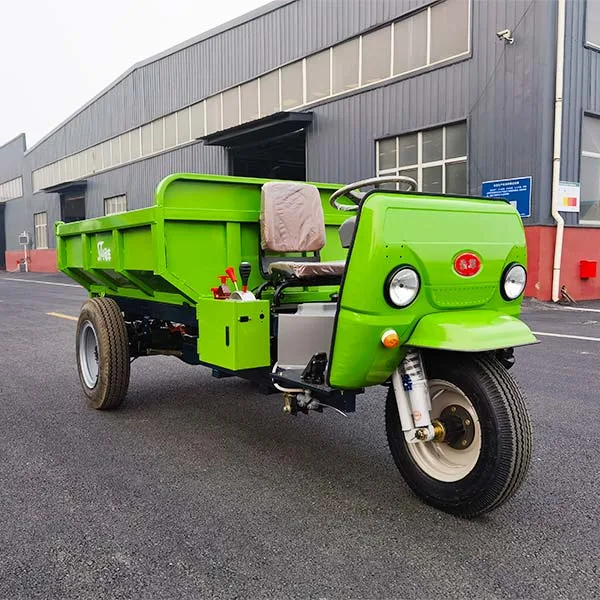
An electric cargo tricycle is a battery-powered, three-wheeled vehicle designed to transport goods, combining stability, efficiency, and eco-friendliness. Picture it as a trusty pack mule for modern logistics, equipped with advanced delivery vehicle components. Key features include:
- Design: Sturdy frame with a cargo box or platform, typically 100–500 kg capacity.
- Power: Electric motor (250–1000W) with lithium-ion batteries, offering 30–60 km range.
- Components: Includes robust wheels, brakes, and controllers from cargo e-bike manufacturing.
- Applications: Last-mile delivery, food distribution, and small business logistics.
In urban courier services, an electric cargo tricycle navigates tight streets, delivering packages 20–30% faster than vans, showcasing its cost-cutting potential.
Why an Electric Cargo Tricycle Cuts Delivery Costs
Knowing how an electric cargo tricycle cuts delivery costs highlights its value, like choosing a fuel-efficient car for savings. Benefits include:
- Logistics Managers: Reduces fuel and maintenance costs by 40–60% compared to gas vehicles.
- Business Owners: Lowers operational expenses, boosting profit margins by 10–15%.
- Couriers: Enhances delivery speed in congested areas, improving customer satisfaction.
- Sustainability: Zero-emission operation aligns with green logistics goals.
In food delivery, an electric cargo tricycle’s efficiency reduces per-order costs, making it ideal for restaurants and grocery services.
Types of Electric Cargo Tricycles for Delivery
Electric cargo tricycles vary by design, each tailored to specific needs. Understanding types aids in selecting the right model:
- Front-Load Tricycles: Cargo box ahead of rider; ideal for 100–200 kg urban deliveries.
- Rear-Load Tricycles: Cargo platform behind; suits 200–500 kg bulk goods.
- Enclosed Tricycles: Weather-protected cabins; perfect for perishable items.
- Convertible Tricycles: Adjustable cargo areas; versatile for mixed loads.
In rural markets, rear-load electric cargo tricycles transport heavy produce, while front-load models excel in city parcel services, optimizing delivery costs.
Key Factors in How an Electric Cargo Tricycle Reduces Costs
Technical Features of an Electric Cargo Tricycle
The cost-saving potential of an electric cargo tricycle lies in its technical design, like a well-engineered tool. Key specs include:
- Battery Life: 36–48V lithium-ion batteries, providing 4–8 hours of operation.
- Motor Efficiency: Brushless motors with 85–90% efficiency, minimizing energy loss.
- Load Capacity: 100–500 kg, matching diverse delivery needs.
- Delivery Vehicle Components: Durable frames and suspension from cargo e-bike manufacturing ensure longevity.
- Speed: 15–25 km/h, ideal for urban and suburban routes.
In e-commerce logistics, an electric cargo tricycle’s high-capacity battery supports multiple daily deliveries, cutting fuel costs by 50% compared to scooters.
Applications Where an Electric Cargo Tricycle Saves Costs
An electric cargo tricycle excels in various delivery scenarios, like a multi-tool for logistics. Key applications include:
- Urban Delivery: Navigates traffic, reducing delivery time by 20–30%.
- Food and Beverage: Transports perishables with enclosed models, maintaining quality.
- E-commerce: Handles small to medium parcels, lowering per-package costs by 15%.
- Rural Logistics: Delivers goods to remote areas, saving 30–40% vs. trucks.
- Municipal Services: Supports mail or waste collection, cutting operational costs.
In grocery delivery, an electric cargo tricycle’s maneuverability ensures timely service, enhancing customer retention and cost efficiency.
Maintenance and Durability of Electric Cargo Tricycles
Durability is central to how an electric cargo tricycle cuts delivery costs, like a reliable workhorse. Key factors include:
- Battery Maintenance: Charge cycles (800–1000) last 2–3 years with proper care.
- Frame Longevity: Steel or aluminum frames resist corrosion, lasting 5–10 years.
- Component Upkeep: Regular checks on brakes and controllers, per cargo e-bike manufacturing standards.
- Low Repair Needs: Fewer moving parts than gas vehicles reduce downtime by 25%.
In courier fleets, maintaining an electric cargo tricycle’s delivery vehicle components ensures consistent service, minimizing costly repairs.
Electric Cargo Tricycle Comparison Table
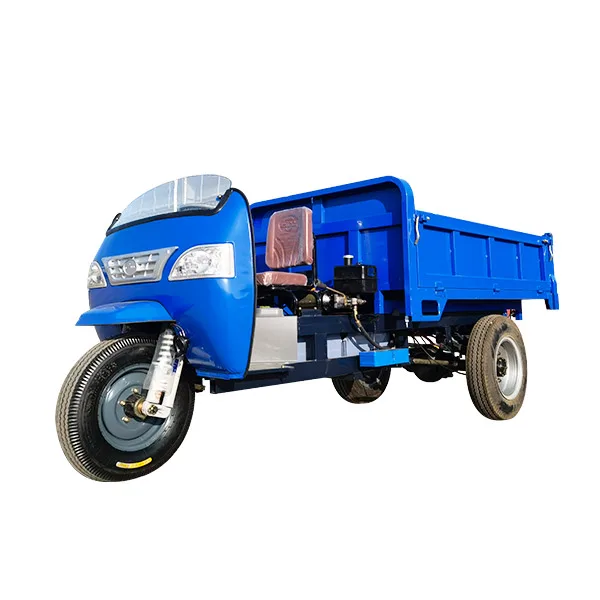
To illustrate how an electric cargo tricycle cuts delivery costs, this table compares front-load, rear-load, enclosed, and convertible tricycles based on load capacity, range, applications, and maintenance needs. Designed for logistics professionals and business owners, it omits pricing and focuses on technical attributes, helping you choose an electric cargo tricycle that optimizes delivery efficiency.
| Tricycle Type | Load Capacity (kg) | Range (km) | Key Applications | Maintenance Needs | Cost-Saving Benefit |
|---|---|---|---|---|---|
| Front-Load | 100–200 | 30–50 | Urban parcel delivery, food couriers | Moderate; regular battery and brake checks | 20–30% faster urban deliveries |
| Rear-Load | 200–500 | 25–40 | Rural goods transport, bulk deliveries | High; frame and suspension upkeep | 30–40% savings vs. trucks |
| Enclosed | 100–300 | 20–35 | Perishable goods, weather-sensitive items | Moderate; cabin and battery maintenance | 15% lower spoilage losses |
| Convertible | 150–350 | 25–45 | Mixed loads, e-commerce | Moderate; adjustable parts inspection | 10–20% flexibility cost savings |
This table underscores why an electric cargo tricycle is a cost-effective choice, with front-load models excelling in cities and rear-load tricycles saving on rural routes. By comparing delivery vehicle components, you can select the ideal model for your logistics needs.
Practical Tips for Using an Electric Cargo Tricycle
Selecting an Electric Cargo Tricycle for Cost Savings
Choosing the right electric cargo tricycle is like picking the perfect tool for a job. Steps include:
- Assess Load Needs: Match capacity (100–500 kg) to delivery volume.
- Evaluate Range: Ensure battery supports daily routes (30–60 km).
- Check Components: Opt for durable frames and controllers from cargo e-bike manufacturing.
- Consider Terrain: Select models with strong suspension for rough roads.
In urban food delivery, selecting an electric cargo tricycle with a 200 kg capacity ensures efficient multi-stop routes, cutting costs.
Operating an Electric Cargo Tricycle Efficiently
Efficient operation maximizes how an electric cargo tricycle cuts delivery costs, like driving smoothly to save fuel. Best practices include:
- Plan Routes: Optimize paths to reduce travel time by 15–20%.
- Manage Battery: Charge overnight and avoid deep discharges to extend life.
- Balance Loads: Distribute weight evenly to protect delivery vehicle components.
- Train Drivers: Teach safe handling to minimize wear on brakes and motors.
In e-commerce, route planning for an electric cargo tricycle boosts delivery speed, lowering per-order expenses by 10%.
Maintaining an Electric Cargo Tricycle for Longevity
Maintenance ensures an electric cargo tricycle remains cost-effective, like regular tune-ups for a vehicle. Tasks include:
- Check Battery: Monitor charge levels and clean terminals monthly.
- Inspect Tires: Maintain pressure and replace worn tires every 6–12 months.
- Lubricate Parts: Apply grease to chains and gears quarterly.
- Service Motors: Inspect controllers and wiring annually, per cargo e-bike manufacturing guidelines.
In rural logistics, maintaining an electric cargo tricycle’s suspension ensures reliable bulk deliveries, reducing repair costs by 20%.
Why an Electric Cargo Tricycle Matters for Delivery Costs
Financial Benefits of an Electric Cargo Tricycle
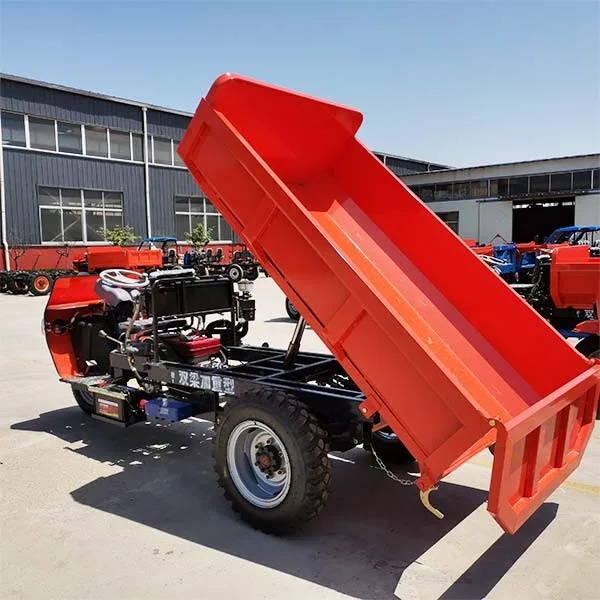
An electric cargo tricycle slashes delivery costs, like switching to energy-efficient lighting. Advantages include:
- Fuel Savings: Zero gas use cuts fuel costs by 50–60% vs. vans.
- Lower Maintenance: Fewer parts reduce repair expenses by 25–30%.
- Increased Deliveries: Faster urban routes boost daily orders by 15%.
- Tax Incentives: Green vehicle benefits lower operational costs.
In small business logistics, an electric cargo tricycle’s low running costs improve profit margins, supporting growth.
Environmental Impact of an Electric Cargo Tricycle
An electric cargo tricycle supports sustainability, like planting trees for cleaner air. Benefits include:
- Zero Emissions: Reduces CO2 by 1–2 tons annually per vehicle.
- Less Congestion: Smaller size eases traffic, cutting urban emissions by 5%.
- Noise Reduction: Quiet motors lower noise pollution in cities.
- Renewable Energy: Battery charging with solar or wind power enhances green impact.
In food distribution, an electric cargo tricycle’s eco-friendly operation aligns with consumer demand for sustainable services.
Enhancing Delivery Efficiency with an Electric Cargo Tricycle
An electric cargo tricycle streamlines logistics, like a well-organized warehouse. Benefits include:
- Maneuverability: Navigates narrow streets, saving 20–30% time.
- Reliability: Robust delivery vehicle components ensure consistent service.
- Customer Satisfaction: Faster deliveries improve ratings by 10–15%.
- Scalability: Easily integrates into growing fleets.
In courier services, an electric cargo tricycle’s agility ensures timely parcel delivery, enhancing operational efficiency.
Conclusion
An electric cargo tricycle is a game-changer for cutting delivery costs, offering efficiency, sustainability, and versatility. From front-load models for urban couriers to rear-load tricycles for rural bulk goods, the comparison table and practical tips guide your selection. The FAQ below addresses key questions, empowering logistics professionals and business owners to optimize operations. By adopting an electric cargo tricycle, you’ll reduce expenses, boost delivery speed, and support greener logistics, ensuring long-term success.
FAQ
What is an electric cargo tricycle?
An electric cargo tricycle is a battery-powered, three-wheeled vehicle with a cargo area (100–500 kg capacity) for deliveries, featuring efficient delivery vehicle components.
How does an electric cargo tricycle cut delivery costs?
It eliminates fuel costs, reduces maintenance by 25–30%, speeds urban deliveries by 20–30%, and leverages green incentives, saving 40–60% vs. gas vehicles.
What types of electric cargo tricycles are available?
Front-load (100–200 kg), rear-load (200–500 kg), enclosed (100–300 kg), and convertible (150–350 kg) models suit various delivery needs.
How do I choose an electric cargo tricycle for my business?
Match load capacity, range (30–60 km), and terrain needs, ensuring durable components from cargo e-bike manufacturing for cost efficiency.
What applications benefit from an electric cargo tricycle?
Urban parcel delivery, food distribution, e-commerce, rural logistics, and municipal services save 10–40% on costs with tailored models.