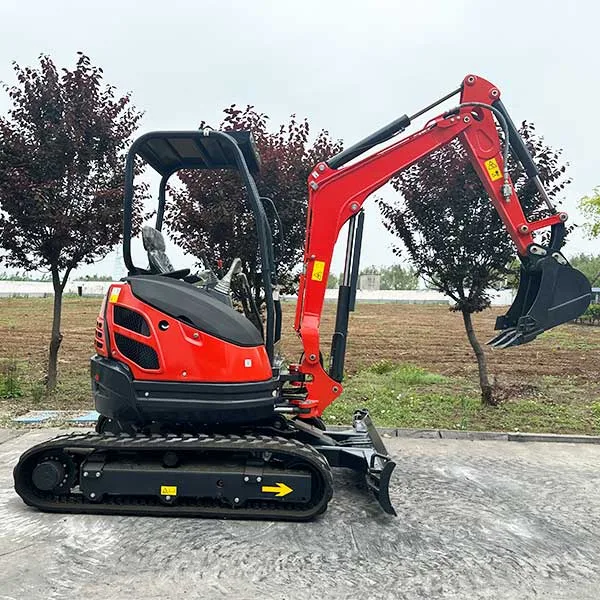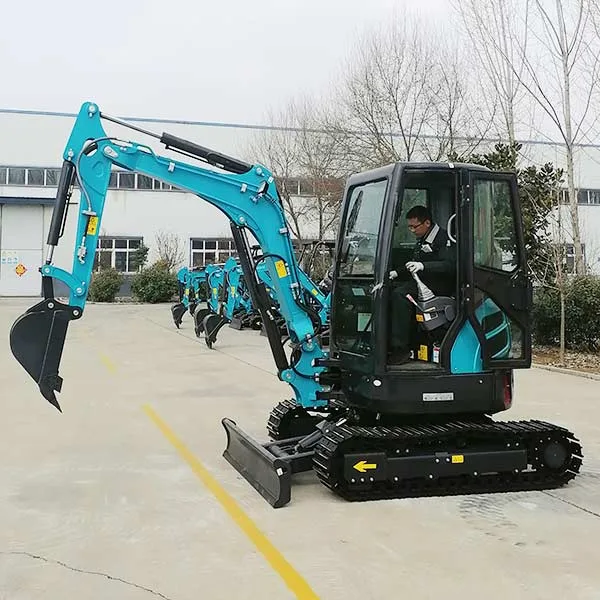
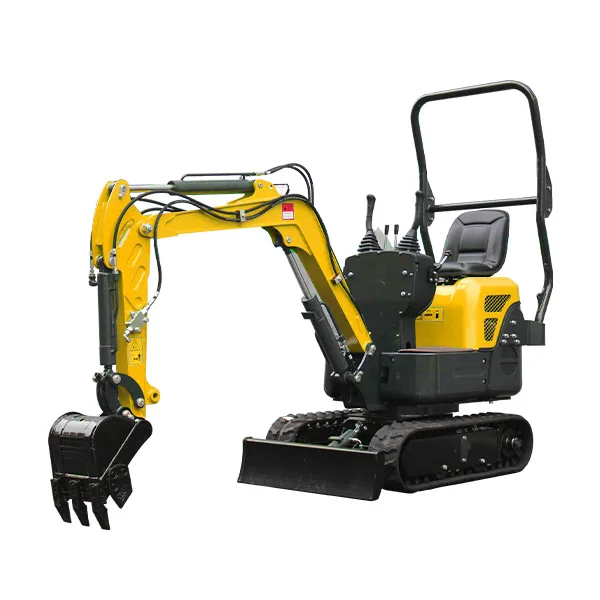
A mini excavator is one of the most versatile and essential pieces of machinery for modern construction, landscaping, agriculture, and urban projects. Known for its compact size, maneuverability, and powerful hydraulic system, a mini excavator allows operators to perform tasks efficiently in tight spaces where larger equipment cannot operate. This guide covers everything you need to know about mini excavators, including types, applications, attachments, maintenance, and tips for choosing the right machine for your projects.
Table of Contents
What is a Mini Excavator?
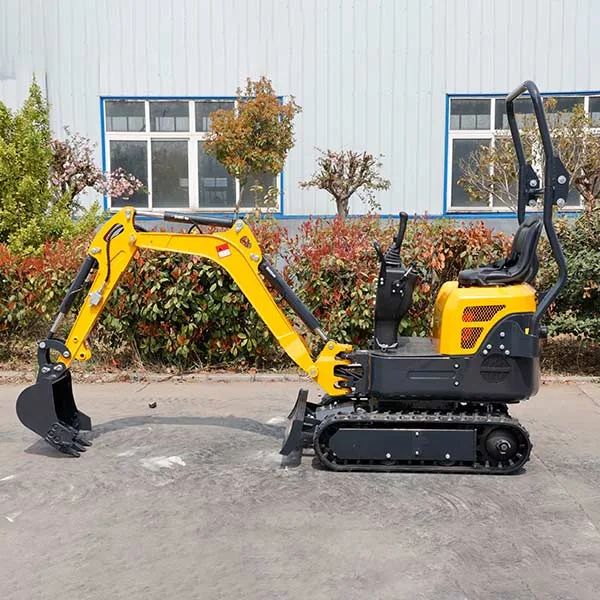
A mini excavator, also called a compact excavator, typically weighs between 1 and 10 tons and features a tracked chassis, a rotating cab, and a hydraulic arm with a bucket or other attachments. Despite its small footprint, it offers remarkable digging and lifting capabilities.
Key features of a mini excavator include:
- Compact size for operating in confined spaces
- Hydraulic arm for precise digging and lifting
- Tracks for enhanced stability on uneven terrain
- Interchangeable attachments for versatile applications
Mini excavators are widely used because they are efficient, easy to transport, and can perform a variety of tasks without damaging surrounding surfaces.
Types of Mini Excavators
Mini excavators are available in different sizes and configurations to suit a variety of projects.
| Type of Mini Excavator | Operating Weight | Best Uses |
|---|---|---|
| Micro Excavator | Under 2 tons | Indoor work, backyard projects, utility work |
| Compact Mini Excavator | 2–5 tons | Landscaping, trenching, small construction |
| Mid-Size Mini Excavator | 5–10 tons | Road repair, urban construction, farming |
| Zero Tail Swing Mini Excavator | 3–8 tons | Confined spaces, urban projects |
Micro excavators are ideal for extremely tight spaces, while mid-size mini excavators handle heavier loads and deeper digging. Zero tail swing models are perfect for working near walls or obstacles.
Mini Excavator Uses and Applications
Mini excavators are extremely versatile machines. Their applications include:
- Construction Projects: Digging foundations, trenches, and utility lines.
- Landscaping and Urban Development: Grading soil, tree planting, and minor demolition.
- Agriculture: Irrigation ditching, land leveling, and material handling.
- Demolition and Material Handling: Breaking concrete, moving debris, and lifting materials.
Thanks to their compact size and hydraulic versatility, mini excavators are suitable for both small residential jobs and large commercial projects.
How to Operate a Mini Excavator Safely
Operating a mini excavator safely is critical to prevent accidents and damage.
- Pre-Operation Checklist: Inspect tracks, hydraulic lines, bucket, and controls.
- Basic Operating Techniques: Learn proper digging, lifting, and trenching methods.
- Safety Precautions: Wear personal protective equipment, follow weight limits, and avoid overreaching.
Proper operator training ensures efficiency and prolongs the life of the machine.
Mini Excavator Attachments and Accessories
Mini excavators can be equipped with a variety of attachments, increasing their versatility:
- Buckets: Standard, trenching, or grading buckets for different tasks.
- Augers: Ideal for drilling holes for posts or planting trees.
- Hydraulic Hammers: For breaking concrete or hard surfaces.
- Thumbs and Grapples: For lifting irregular or bulky materials.
Choosing the right attachment depends on the project. Regular maintenance of attachments ensures smooth operation and reduces wear.
Choosing the Right Mini Excavator
Selecting the right mini excavator requires understanding your project needs and evaluating key specifications:
- Operating Weight: Heavier machines offer more power but may be less portable.
- Digging Depth: Determines how deep the machine can excavate efficiently.
- Bucket Capacity: Impacts material handling efficiency.
- Engine Power and Hydraulic System: Ensures smooth operation and lifting strength.
- Tail Swing Design: Zero tail swing is preferred in tight spaces, while standard tail swing allows more reach.
Choosing the correct combination of these factors ensures productivity and cost-effectiveness.
Maintenance Tips for Mini Excavators
Proper maintenance is critical for keeping your mini excavator running efficiently and safely.
| Maintenance Task | Frequency | Purpose |
|---|---|---|
| Inspect Hydraulic Lines | Daily/Weekly | Detect leaks and maintain hydraulic pressure |
| Change Engine Oil | Every 250 hours | Keep the engine efficient and clean |
| Clean or Replace Air Filters | Every 100 hours | Protect the engine from dust and debris |
| Inspect Tracks or Tires | Weekly | Prevent premature wear and ensure stability |
| Lubricate Moving Parts | Every 50 hours | Reduce friction and prolong component life |
Routine preventive maintenance helps avoid downtime and costly repairs.

Common Problems and Troubleshooting
Even mini excavators may experience common issues:
- Hydraulic System Issues: Leaks or low pressure affecting performance.
- Track and Undercarriage Wear: Uneven surfaces or improper tension may accelerate wear.
- Engine Problems: Dirty filters or improper oil changes can reduce engine efficiency.
- Electrical Problems: Check connections and fuses regularly.
Preventive maintenance and proper operation can significantly reduce these issues.
FAQ
What is a mini excavator used for?
Mini excavators are used for digging, trenching, landscaping, small construction, agriculture, and demolition tasks.
How heavy is a mini excavator?
Mini excavators typically weigh between 1 and 10 tons, depending on model and size.
Can mini excavators operate in tight spaces?
Yes, their compact size and optional zero tail swing models make them ideal for confined areas.
What attachments can I use with a mini excavator?
Common attachments include buckets, augers, hydraulic hammers, thumbs, and grapples for versatile tasks.
How do I maintain a mini excavator?
Regularly check hydraulic lines, oil, air filters, tracks, and lubricate moving parts to ensure long-term performance.
Conclusion
Mini excavators are compact, powerful, and versatile machines suitable for construction, landscaping, agriculture, and urban projects. Choosing the right type, understanding its applications, and performing regular maintenance ensures maximum efficiency and longevity.
If you want to enhance your project productivity and find the perfect mini excavator, contact us today. Our experts can help you select the right model and attachments for your specific needs.