Welcome to My Blog!
Before we dive into the content, I’d love for you to join me on my social media platforms where I share more insights, engage with the community, and post updates. Here’s how you can connect with me:
Facebook:https://www.facebook.com/profile.php?id=100087112105480
Now, let’s get started on our journey together. I hope you find the content here insightful, engaging, and valuable.
Table of Contents
Introduction
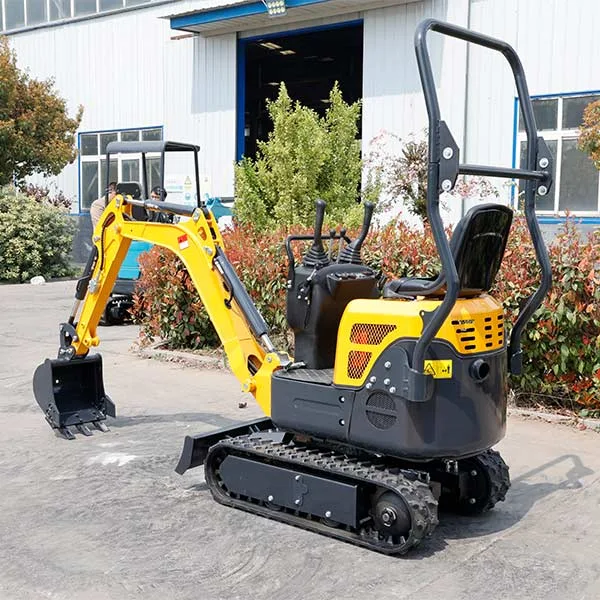
The 1t excavator, a compact and versatile mini excavator, is a game-changer for small-scale construction, landscaping, and utility projects. Weighing approximately 1 ton, this machine navigates tight spaces, delivers precise digging, and supports multiple attachments, making it ideal for job sites where larger equipment is impractical. From residential backyards to urban construction zones, the 1t excavator enhances efficiency without compromising delicate surfaces.
This comprehensive guide explores the top 10 uses of the 1t excavator on job sites, featuring a comparison table and FAQ to help contractors, landscapers, and homeowners select and utilize this equipment effectively for optimal project outcomes.
Understanding the 1t Excavator
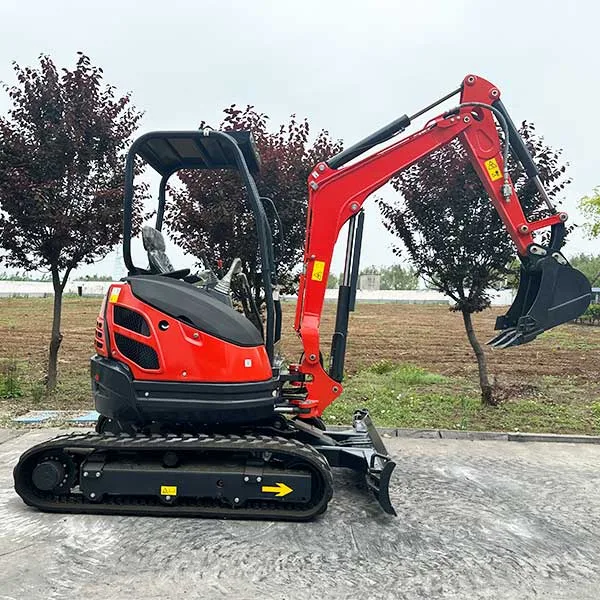
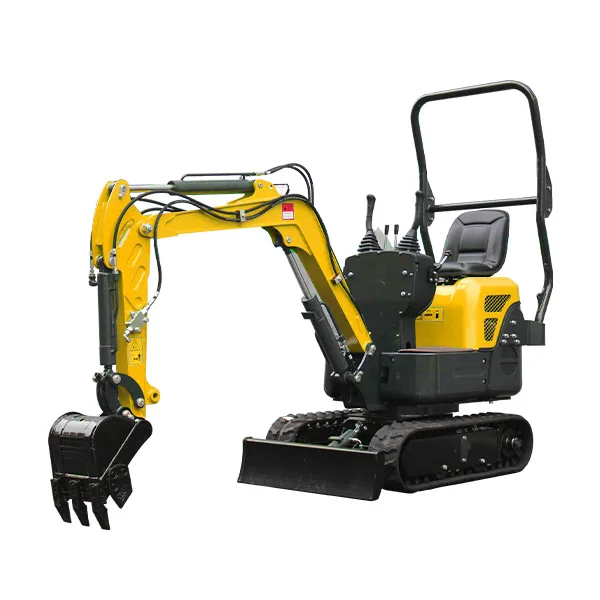
The 1t excavator, often classified as a mini excavator, is designed for precision and mobility in confined spaces. With an operating weight of 0.8–1.2 tons, a width under 3 feet, and a dig depth of 3–5 feet, it’s tailored for small to medium tasks. Equipped with rubber tracks, zero or near-zero tail swing, and engines like the Koop 192 (7.6 kW), as noted by Yufan Machinery, the 1t excavator minimizes ground damage while offering robust performance. This section examines its design, features, and foundational benefits, providing a basis for understanding its job site applications.
Design and Features of the 1t Excavator
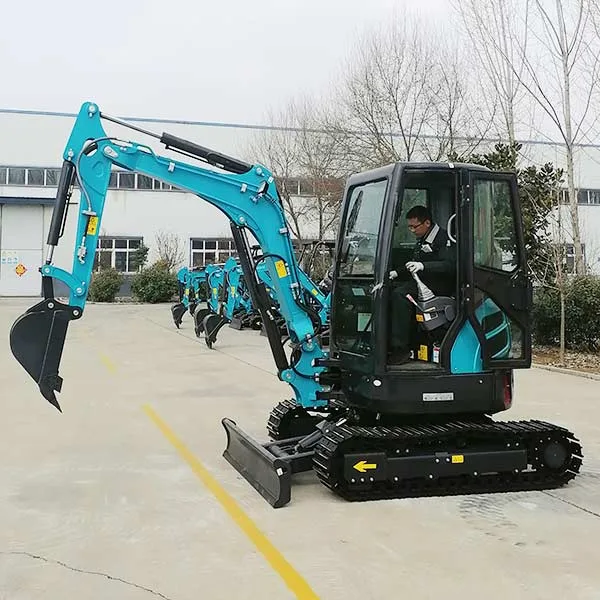
The 1t excavator features a compact frame, typically 2.5–3 feet wide, allowing access through narrow gates and doorways. Its hydraulic system powers a boom, stick, and bucket, with attachments like augers and grapples enhancing versatility. Rubber tracks reduce surface impact, and a 360-degree rotating cab ensures maneuverability, as per Bolante Machinery. Engines, such as Yanmar or Koop, deliver 7–10 kW, balancing power and fuel efficiency. User-friendly controls and adjustable seats make the 1t excavator accessible to operators of varying experience levels, ideal for diverse job sites.
Benefits of the 1t Excavator
The 1t excavator offers cost-effectiveness, consuming 20–30% less fuel than larger models, and easy transport via standard trailers, requiring no commercial driver’s license in many regions. Its low ground pressure (0.2–0.3 kg/cm²) preserves lawns and pavements, while attachments enable tasks from digging to demolition, as noted by BigRentz. With a service life exceeding 5,000 hours, the 1t excavator is durable, requiring minimal maintenance like filter changes every 500 hours. These benefits make it a preferred choice for small-scale, high-precision projects.
Types of 1t Excavator Configurations
The 1t excavator comes in configurations like canopy or enclosed cab, rubber or steel tracks, and diesel or electric engines. Canopy models reduce weight for delicate surfaces, while cabs offer weather protection. Rubber tracks suit landscaping, and steel tracks enhance traction on rough terrain. Electric models, emerging in 2025, reduce emissions for urban sites, as per Bolante Machinery. Customizations, like Yufan’s quick-attach buckets, allow task-specific setups, ensuring the 1t excavator meets diverse job site demands, from residential to commercial applications.
Top 10 Uses for a 1t Excavator on Job Sites
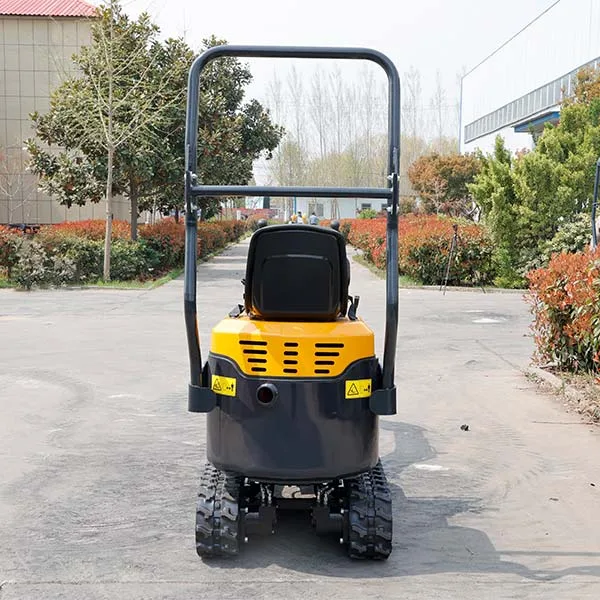
The 1t excavator excels in tasks requiring precision and access to confined areas. This section details its top 10 applications, supported by industry insights, to guide professionals in leveraging its capabilities across construction, landscaping, and utility sectors.
1. Digging Shallow Trenches with a 1t Excavator
The 1t excavator is ideal for digging shallow trenches (3–4.5 feet) for utilities like water, gas, or electrical lines. Its compact size navigates residential yards, and precise controls ensure accurate trench dimensions, as noted by Yufan Machinery. With a 12–18-inch bucket, it handles 50–100 cubic yards daily, minimizing disruption to surrounding areas. This application is critical for urban utility installations, where space is limited, and surface preservation is essential.
2. Landscaping Projects Using a 1t Excavator
In landscaping, the 1t excavator creates ponds, plant beds, and tree holes without damaging lawns. Its low ground pressure and rubber tracks protect grass, while attachments like augers drill precise holes for posts or trees, as per NMC Cat. Capable of moving 0.1–0.3 cubic yards per cycle, it streamlines tasks like grading slopes or removing stumps, making it a staple for garden renovations and park developments.
3. Small-Scale Demolition with a 1t Excavator
The 1t excavator performs small-scale demolition, such as removing sheds, patios, or asphalt. Hydraulic breakers and grapples break concrete or handle debris, with a lifting capacity of 200–400 kg, as noted by Bolante Machinery. Its maneuverability in tight spaces, like backyards, ensures safe operation near structures, making it ideal for residential renovations or urban site preparation where larger machines are impractical.
4. Foundation Preparation Using a 1t Excavator
For small residential foundations, the 1t excavator digs footings 3–5 feet deep, ensuring stable bases for sheds or extensions. Its zero tail swing allows work near existing buildings, and buckets up to 24 inches wide move 30–50 cubic yards daily, as per BigRentz. Precise grading capabilities level surfaces, reducing manual labor and ensuring compliance with building codes for small-scale construction projects.
5. Utility Pole and Fence Post Installation with a 1t Excavator
The 1t excavator drills holes for utility poles or fence posts using auger attachments, achieving depths of 3–4 feet. Its compact design fits through gates, and hydraulic controls ensure consistent hole alignment, as noted by NMC Cat. Handling 20–30 holes per day, it’s efficient for rural or suburban sites, supporting telecommunications, fencing, or signage installations with minimal surface disruption.
6. Material Handling with a 1t Excavator
The 1t excavator moves materials like soil, gravel, or wood, with a bucket capacity of 0.01–0.03 cubic yards. Grapple attachments handle irregular loads, such as logs or debris, lifting up to 300 kg, as per Bolante Machinery. Its agility in confined spaces makes it ideal for transporting materials across small job sites, enhancing efficiency in landscaping or construction cleanup tasks.
7. Drainage and Irrigation System Installation with a 1t Excavator
Installing drainage tiles or irrigation lines is streamlined with the 1t excavator. It digs narrow trenches (6–12 inches wide) for pipes, ensuring proper slopes for water flow, as noted by Tractor Transport. Capable of trenching 100–150 feet daily, it supports agricultural and residential sites, preventing waterlogging while preserving surrounding landscapes with minimal track marks.
8. Snow Removal Using a 1t Excavator
In winter, the 1t excavator clears snow from driveways or small lots using blade attachments. Its compact size navigates tight urban spaces, and rubber tracks prevent pavement damage, as per West Coast Training. Moving 0.5–1 cubic yard per cycle, it’s faster than manual plowing, making it a valuable tool for municipalities or property managers in snowy regions.
9. Site Cleanup with a 1t Excavator
The 1t excavator excels in site cleanup, removing debris like branches, rocks, or construction waste. Its grapple or bucket attachments handle 100–200 kg per load, and maneuverability ensures access to cluttered areas, as noted by NMC Cat. Completing 50–100 cycles hourly, it prepares sites for further work, enhancing safety and aesthetics in residential or commercial projects.
10. Brush Clearing and Forestry Tasks with a 1t Excavator
For brush clearing or forestry mulching, the 1t excavator uses rake or grapple attachments to remove shrubs and small trees. Its low ground pressure suits sensitive ecosystems, and a reach of 7–9 feet clears 0.1–0.2 acres daily, as per West Coast Training. This application supports land preparation for agriculture or construction, ensuring minimal environmental impact in rural settings.
Comparison Table and Selection Insights for the 1t Excavator
To simplify choosing a 1t excavator, the following table summarizes its key features and applications, providing a reference for contractors and landscapers.
| 1t Excavator Feature | Specifications | Benefits | Applications |
|---|---|---|---|
| Digging Depth | 3–4.5 feet, 12–24-inch bucket | Precise trenching, minimal disruption | Utility trenches, foundations |
| Lifting Capacity | 200–400 kg, 0.01–0.03 cu. yd. bucket | Handles small loads, versatile | Material handling, site cleanup |
| Attachments | Auger, grapple, breaker, blade | Multi-tasking, task-specific efficiency | Demolition, landscaping, snow removal |
| Track Type | Rubber or steel, 0.2–0.3 kg/cm² | Low ground impact, adaptable traction | Landscaping, rough terrain |
| Engine Power | 7–10 kW, diesel or electric | Fuel-efficient, eco-friendly options | Urban sites, residential projects |
Selection Insights for the 1t Excavator
The table highlights the 1t excavator’s versatility. Its shallow digging depth suits utility work and foundations, while attachments like augers and grapples expand its role in landscaping and demolition, as per Bolante Machinery. Rubber tracks are ideal for delicate surfaces, and electric engines reduce emissions for urban sites. Contractors should prioritize models with quick-attach systems, like Yufan’s YFT10, for task flexibility, ensuring the 1t excavator meets specific job site requirements.
Strategies for Choosing a 1t Excavator
To select a 1t excavator, assess job site constraints, task types, and attachment needs. For urban sites, choose models under 3 feet wide with rubber tracks, like Caterpillar’s 301.5, for gate access. Verify dig depth (3–5 feet) for utility work and ensure compatibility with augers or breakers, as advised by BigRentz. Rent for sporadic use to avoid maintenance costs, or purchase for frequent tasks, consulting suppliers like NMC Cat for customized configurations.
Practical Considerations for the 1t Excavator
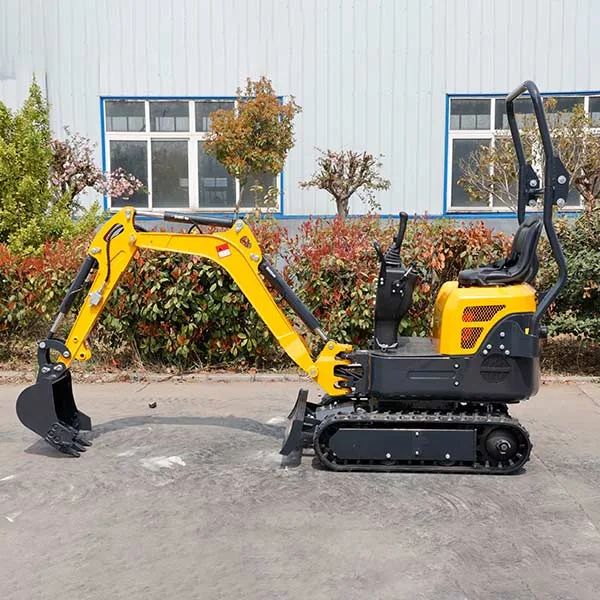
Effective use of the 1t excavator involves strategic selection, operation, and maintenance. This section provides actionable guidance for professionals.
Selecting a 1t Excavator for Job Sites
Selecting a 1t excavator requires matching specifications to project needs. For landscaping, prioritize rubber tracks and auger compatibility; for demolition, choose breakers and grapples, as per Bolante Machinery. Ensure the machine’s width (under 3 feet) fits site access points, and verify EPA or Euro V compliance for urban areas, as noted by Yufan. Consult suppliers like EquipmentShare for rental options or customizations, ensuring the 1t excavator aligns with project scale and budget.
Operating a 1t Excavator Efficiently
Operating a 1t excavator involves mastering controls and safety protocols. Familiarize with joystick functions for boom and bucket movement, practicing in open areas, as advised by Yufan Machinery. Maintain 30–40 cycles per hour for digging, adjusting speed to soil type—loose dirt allows faster cycles than rocky ground. Use zero tail swing to work near obstacles, and train operators on safety, like checking for underground utilities, to maximize efficiency and minimize risks.
Maintenance of the 1t Excavator
Maintaining a 1t excavator ensures longevity. Clean tracks and undercarriage daily to remove debris, lubricate joints every 100 hours, and replace hydraulic filters every 500 hours, as per NMC Cat. Inspect buckets and attachments for wear, replacing after 2,000 hours. Store in dry conditions to prevent rust, and schedule annual servicing with suppliers like Caterpillar to address engine or hydraulic issues, ensuring the 1t excavator remains reliable.
Scaling Projects with the 1t Excavator
Scaling projects with a 1t excavator involves leveraging attachments and operator skills. Add multiple buckets (12–24 inches) for varied tasks, and use quick couplers for rapid switches, as noted by Bolante Machinery. Train operators for multi-tasking, like trenching and material handling in one shift, to boost productivity by 20–30%. For larger sites, pair with skid steers for material transport, enhancing the 1t excavator’s role in small to medium projects.
Challenges in Using a 1t Excavator
Challenges include limited dig depth, small bucket capacity, and operator skill requirements. The 1t excavator’s 4.5-foot depth limits deep excavations, and its 0.03 cubic yard bucket slows large material movement, as per BigRentz. Novice operators may reduce efficiency by 20–40%. Mitigate by selecting tasks within its capacity, like shallow trenching, and investing in operator training, ensuring the 1t excavator performs optimally on suitable job sites.
Conclusion
The 1t excavator is a versatile, cost-effective solution for small-scale job sites, excelling in trenching, landscaping, and demolition. Its compact design and attachments ensure precision and efficiency in confined spaces.
This guide, with its table and FAQ, equips professionals to harness the 1t excavator’s capabilities, optimizing project outcomes.
FAQ
What is a 1t excavator?
A 1t excavator is a compact mini excavator, weighing 0.8–1.2 tons, designed for digging and material handling in tight spaces.
What are the main uses of a 1t excavator?
It’s used for shallow trenching, landscaping, small-scale demolition, foundation work, and utility installations on small job sites.
How deep can a 1t excavator dig?
It digs 3–4.5 feet, ideal for shallow utilities or footings, as noted by industry standards.
What attachments work with a 1t excavator?
Augers, grapples, breakers, and blades enhance its versatility for drilling, demolition, and snow removal.
Is a 1t excavator suitable for urban sites?
Yes, its narrow width (under 3 feet) and rubber tracks make it ideal for confined, delicate urban areas.