Welcome to My Blog!
Before we dive into the content, I’d love for you to join me on my social media platforms where I share more insights, engage with the community, and post updates. Here’s how you can connect with me:
Facebook:https://www.facebook.com/profile.php?id=100087112105480
Now, let’s get started on our journey together. I hope you find the content here insightful, engaging, and valuable.
Table of Contents
Introduction
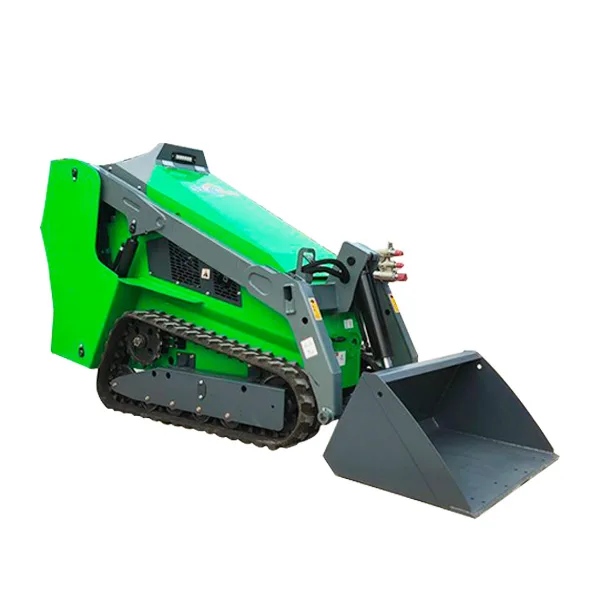
In the world of construction and landscaping, versatility and efficiency are key. One machine that has gained significant popularity for its ability to tackle a wide range of tasks is the mini skid steer loader. These compact, powerful machines are designed to handle various jobs with ease, making them indispensable tools for both professionals and hobbyists.
This comprehensive guide will explore the top benefits of using a mini skid steer loader, highlighting its applications, advantages, and the factors to consider when choosing one for your needs.
Understanding Mini Skid Steer Loaders
What Is a Mini Skid Steer Loader?
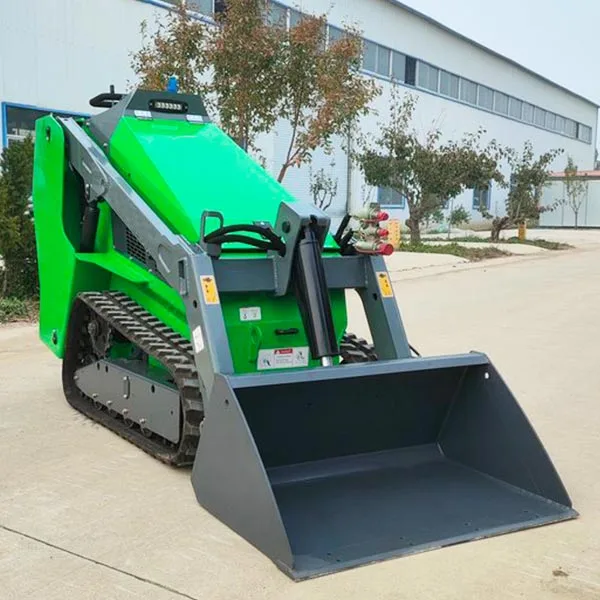
A mini skid steer loader is a compact, versatile piece of equipment designed for a variety of tasks in construction, landscaping, and maintenance. It features a small, agile frame, a powerful engine, and a range of attachments that make it suitable for both heavy-duty and precision work. The compact size of mini skid steer loaders allows them to navigate tight spaces, making them ideal for urban and residential projects.
Key Features of Mini Skid Steer Loaders
- Compact Design: Mini skid steer loaders are designed to be small and agile, allowing them to maneuver in tight spaces.
- Powerful Engine: Despite their small size, these loaders are equipped with powerful engines that provide the necessary torque for heavy-duty tasks.
- Versatile Attachments: Mini skid steer loaders can be fitted with a wide range of attachments, such as buckets, pallet forks, brooms, and augers, making them highly versatile.
- High Maneuverability: The skid steer mechanism allows for tight turning and precise maneuvering, making these loaders ideal for working in confined areas.
Top Benefits of Using a Mini Skid Steer Loader
Versatility and Adaptability
One of the primary benefits of using a mini skid steer loader is its versatility. These machines can be equipped with a variety of attachments, allowing them to perform a wide range of tasks. Whether you need to dig, lift, or move materials, a mini skid steer loader can be adapted to meet your specific needs.
Compact Size and Maneuverability
The compact size of mini skid steer loaders makes them ideal for working in tight spaces. Their high maneuverability allows them to navigate around obstacles and perform tasks in areas where larger equipment cannot fit. This makes them perfect for residential projects, urban construction, and landscaping tasks.
High Power-to-Weight Ratio
Despite their small size, mini skid steer loaders are equipped with powerful engines that provide a high power-to-weight ratio. This means they can handle heavy loads and perform demanding tasks without compromising on performance. The compact design ensures that the machine remains agile and easy to maneuver, even when carrying a heavy load.
Cost-Effectiveness
Mini skid steer loaders are generally more cost-effective compared to larger equipment. They offer a balance of power and versatility at a lower price point, making them an attractive option for small to medium-sized projects. Additionally, their compact size means they require less fuel and maintenance, further reducing operating costs.
Safety and Ease of Use
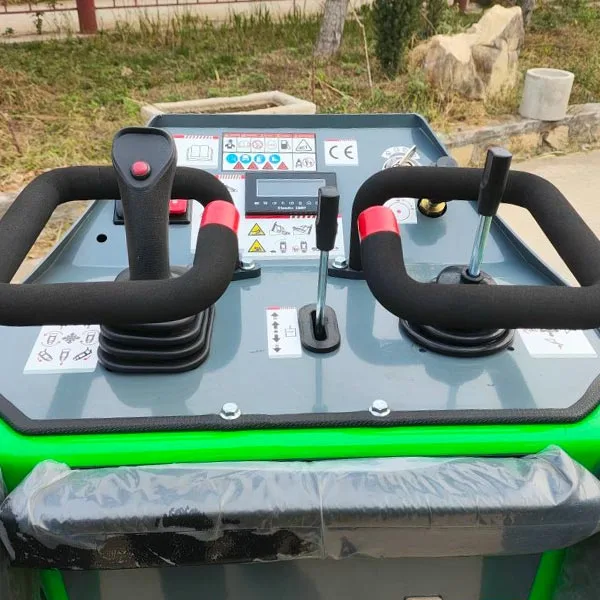
Modern mini skid steer loaders are designed with safety and ease of use in mind. They come equipped with ergonomic controls, intuitive interfaces, and safety features such as roll-over protection systems (ROPS) and seatbelts. These features ensure that operators can work efficiently and safely, reducing the risk of accidents and injuries.
Applications of Mini Skid Steer Loaders
Construction
In construction projects, mini skid steer loaders are used for tasks such as digging, grading, and moving materials. Their compact size and high maneuverability make them ideal for working in tight spaces and around existing structures. Common attachments used in construction include buckets, pallet forks, and grading blades.
Landscaping
Landscapers often use mini skid steer loaders for tasks such as grading, mulching, and moving soil. The ability to switch between different attachments allows landscapers to perform multiple tasks with a single machine, increasing efficiency and productivity. Common attachments used in landscaping include buckets, pallet forks, and brooms.
Demolition
Mini skid steer loaders can be equipped with demolition attachments such as breakers and hammers, making them suitable for small-scale demolition projects. Their compact size allows them to navigate tight spaces and perform tasks that larger equipment cannot access. Common attachments used in demolition include breakers, hammers, and grapples.
Snow Removal
During winter, mini skid steer loaders can be equipped with snow plows and brooms to clear snow and ice from driveways, sidewalks, and parking lots. Their compact size and high maneuverability make them ideal for working in tight spaces and around obstacles. Common attachments used in snow removal include snow plows and brooms.
Agricultural
In agricultural settings, mini skid steer loaders are used for tasks such as moving hay bales, loading feed, and grading fields. Their compact size and high maneuverability make them ideal for working in tight spaces and around existing structures. Common attachments used in agriculture include buckets, pallet forks, and grapples.
Comparison of Mini Skid Steer Loaders
| Feature | Compact Model | Mid-Size Model | Large Model |
|---|---|---|---|
| Weight (lbs) | 2000-3000 | 3000-4000 | 4000-5000 |
| Horsepower (hp) | 20-30 | 30-40 | 40-50 |
| Lift Capacity (lbs) | 500-1000 | 1000-1500 | 1500-2000 |
| Maximum Lift Height (ft) | 6-8 | 8-10 | 10-12 |
| Common Attachments | Buckets, pallet forks, brooms | Buckets, pallet forks, augers | Buckets, pallet forks, breakers |
Factors to Consider When Choosing a Mini Skid Steer Loader
Application Requirements
Consider the specific tasks you will be performing and the environment in which you will be working. Different models are designed for different applications, and choosing the right one will ensure optimal performance and efficiency.
Size and Weight
The size and weight of the mini skid steer loader are important factors to consider, especially if you plan to use the machine in tight spaces or transport it frequently. Compact models are ideal for working in confined areas, while larger models offer more power and capacity for demanding tasks.
Horsepower and Performance
The horsepower of the mini skid steer loader will determine its overall performance and ability to handle heavy loads. Higher horsepower models are suitable for more demanding tasks, while lower horsepower models are more fuel-efficient and easier to maneuver.
Attachments and Versatility
Consider the types of attachments you will need for your projects. Mini skid steer loaders are highly versatile machines, and the availability of attachments can significantly expand their functionality. Common attachments include buckets, pallet forks, brooms, augers, and breakers.
Budget Constraints
While mini skid steer loaders are generally more affordable compared to larger equipment, it is essential to consider your budget constraints. Determine how much you are willing to spend and look for models that offer the best value for your money.
Practical Tips for Operating a Mini Skid Steer Loader
Safety First
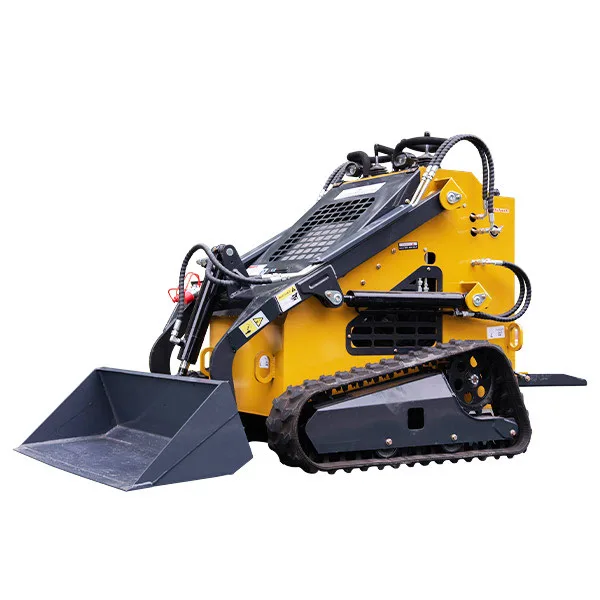
Operating a mini skid steer loader can be dangerous if proper safety precautions are not followed. Always wear appropriate personal protective equipment (PPE), such as a hard hat, safety glasses, and steel-toed boots. Ensure that the machine is properly maintained and inspected before each use.
Proper Training
Proper training is essential for safe and efficient operation of a mini skid steer loader. Operators should be familiar with the machine’s controls, features, and limitations. Many manufacturers offer training programs or resources to help operators become proficient with their equipment.
Regular Maintenance
Regular maintenance is crucial for the longevity and performance of your mini skid steer loader. Follow the manufacturer’s recommended maintenance schedule, which typically includes checking fluid levels, inspecting tires and tracks, and lubricating moving parts. Regular maintenance can help prevent breakdowns and ensure that your machine is always ready for use.
Efficient Operation
Operating a mini skid steer loader efficiently can help increase productivity and reduce wear and tear on the machine. Plan your work area and tasks carefully to minimize unnecessary movements and maximize efficiency. Use the appropriate attachments for each task to ensure optimal performance and safety.
Conclusion
A mini skid steer loader is a versatile and powerful machine that can significantly enhance productivity and efficiency in various industries. Understanding the benefits of using a mini skid steer loader, its key features, and how it operates can help you make an informed decision when choosing the right machine for your needs. Whether you’re involved in construction, landscaping, or agricultural tasks, a mini skid steer loader can be an invaluable tool for tackling a wide range of tasks.
By following the guidelines outlined in this guide, you can ensure that you select the right mini skid steer loader and operate it safely and efficiently.
FAQ
What are the main benefits of using a mini skid steer loader?
The main benefits of using a mini skid steer loader include its versatility, compact size and maneuverability, high power-to-weight ratio, cost-effectiveness, and safety features. These machines are suitable for a wide range of tasks and can be equipped with various attachments to meet specific needs.
How do I choose the right mini skid steer loader for my needs?
Choosing the right mini skid steer loader depends on several factors, including application requirements, size and weight, horsepower and performance, attachments and versatility, and budget constraints. Consider the specific tasks you will be performing and the environment in which you will be working to select a model that meets your requirements.
What safety precautions should I take when operating a mini skid steer loader?
Always wear appropriate personal protective equipment (PPE), such as a hard hat, safety glasses, and steel-toed boots. Ensure that the machine is properly maintained and inspected before each use. Follow proper operating procedures and be aware of your surroundings at all times. Proper training is also essential for safe and efficient operation.
How often should I maintain my mini skid steer loader?
Regular maintenance is crucial for the longevity and performance of your mini skid steer loader. Follow the manufacturer’s recommended maintenance schedule, which typically includes checking fluid levels, inspecting tires and tracks, and lubricating moving parts. Regular maintenance can help prevent breakdowns and ensure that your machine is always ready for use.
What are the common attachments used with mini skid steer loaders?
Common attachments used with mini skid steer loaders include buckets, pallet forks, brooms, augers, and breakers. These attachments significantly expand the functionality of the machine, making it suitable for a wide range of tasks.