Welcome to My Blog!
Before we dive into the content, I’d love for you to join me on my social media platforms where I share more insights, engage with the community, and post updates. Here’s how you can connect with me:
Facebook:https://www.facebook.com/profile.php?id=100087112105480
Now, let’s get started on our journey together. I hope you find the content here insightful, engaging, and valuable.
Introduction
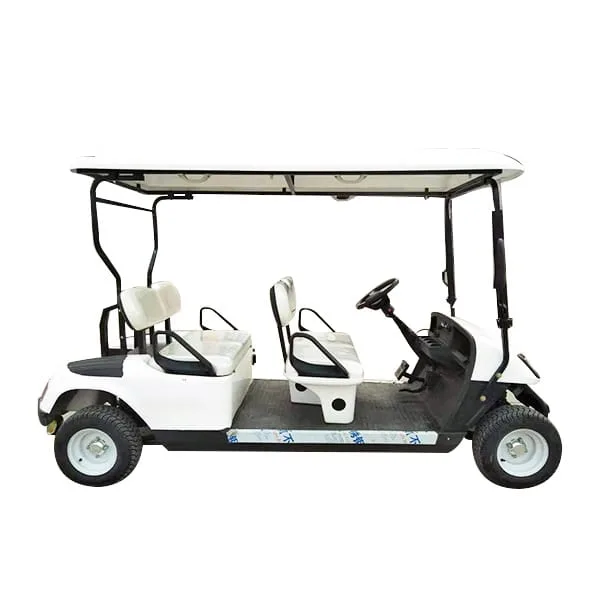
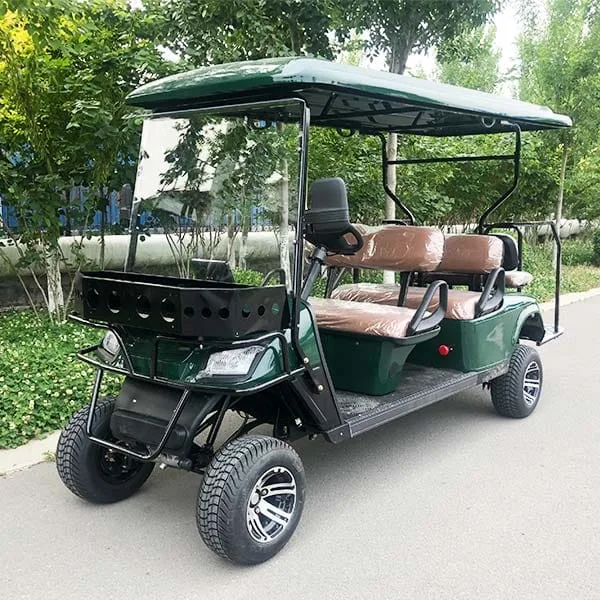
Golf carts with back seats are designed with additional rear-facing or forward-facing seating, typically accommodating four to six passengers, compared to the standard two-seater models. These carts retain the compact, maneuverable design of traditional golf carts while offering increased capacity, making them suitable for group transport in settings like golf courses, resorts, retirement communities, and large properties. The appeal of golf carts with back seats lies in their blend of functionality, comfort, and versatility, catering to both recreational and practical needs.
This guide provides a detailed exploration of why golf carts with back seats are preferred, covering their benefits, key features, types, and applications.
Why Golf Carts with Back Seats Matter
Enhancing Group Mobility with Golf Carts with Back Seats
Golf carts with back seats are ideal for transporting multiple passengers, such as families, tour groups, or event attendees, in a single trip. Their increased capacity reduces the need for multiple vehicles, streamlining group mobility and making them a practical choice for resorts, campuses, or community events, a key reason to choose golf carts with back seats.
Improving Comfort and Convenience
The additional seating in golf carts with back seats ensures all passengers travel comfortably, with features like cushioned seats, safety rails, and storage compartments enhancing the experience. This focus on comfort and convenience makes golf carts with back seats a preferred option for extended use in recreational or commercial settings.
Supporting Diverse Applications
From golf course shuttles to neighborhood transport, golf carts with back seats serve a wide range of applications. Their versatility allows them to adapt to various environments, such as gated communities, theme parks, or industrial sites, underscoring the value of choosing golf carts with back seats for multifaceted needs.
Key Benefits of Golf Carts with Back Seats
Increased Passenger Capacity
One of the primary benefits of golf carts with back seats is their ability to carry four to six passengers, compared to the two seats of standard models. This makes them ideal for group activities, such as family outings, guided tours, or transporting staff, ensuring golf carts with back seats meet the demands of larger groups efficiently.
Enhanced Versatility for Multiple Uses
Golf carts with back seats are highly versatile, serving purposes beyond golf courses. They are used in resorts for guest transport, in communities for neighborly commuting, and in businesses for staff or equipment movement. The adaptability of golf carts with back seats makes them a valuable asset across industries.
Improved Safety Features
Modern golf carts with back seats include safety enhancements like seat belts, rear safety rails, and reflective markers, ensuring passenger security, especially for rear-facing seats. These features make golf carts with back seats a safe choice for transporting children, elderly passengers, or groups in busy environments.
Compact Design with Ample Seating
Despite their increased capacity, golf carts with back seats maintain a compact footprint, allowing them to navigate tight spaces like narrow paths or crowded venues. This balance of size and seating makes golf carts with back seats an efficient solution for areas where larger vehicles are impractical.
Eco-Friendly Electric Options
Many golf carts with back seats are available as electric models, powered by lithium-ion or lead-acid batteries, offering zero-emission transport. In 2025, electric golf carts with back seats provide up to 60 miles of range per charge, supporting sustainable mobility in eco-conscious communities or facilities.
Comparison Table of Golf Carts with Back Seats Features
| Feature | Purpose | Typical Specification | Applications | Considerations |
|---|---|---|---|---|
| Passenger Capacity | Transport multiple passengers | 4–6 seats | Resorts, communities, events | Group size, frequency of use |
| Power Source | Drives cart, affects range | Electric (48V), gas (13 HP) | Golf courses, campuses, industrial sites | Fuel availability, emissions |
| Safety Features | Ensures passenger security | Seat belts, safety rails | Family transport, public venues | Child safety, terrain conditions |
| Storage Options | Carries equipment or belongings | Rear baskets, under-seat bins | Tours, maintenance tasks | Cargo weight, accessibility |
| Customization | Meets specific aesthetic or functional needs | Colors, canopies, lift kits | Commercial branding, off-road use | Regulatory compliance, aesthetics |
This table summarizes the key features of golf carts with back seats, their purposes, specifications, applications, and considerations. It provides a quick reference for evaluating models based on specific needs and environments.
Types of Golf Carts with Back Seats
Electric Golf Carts with Back Seats
Electric golf carts with back seats, powered by batteries (typically 48V lithium-ion or lead-acid), are popular for their quiet operation and zero emissions. Ideal for indoor facilities, gated communities, or eco-friendly resorts, these carts offer ranges of 40–60 miles and are equipped with regenerative braking and USB charging ports in 2025 models.
Gas-Powered Golf Carts with Back Seats
Gas-powered golf carts with back seats, typically using 13–14 HP engines, provide higher torque and longer range (up to 100 miles per tank), making them suitable for rugged terrains or large properties. These carts are favored in rural settings or industrial sites where refueling is more accessible than charging.
Utility Golf Carts with Back Seats
Utility golf carts with back seats combine passenger transport with cargo capacity, featuring flatbeds or additional storage alongside rear seating. Used in maintenance, landscaping, or event management, these carts offer versatility for businesses needing to move both people and equipment.
Custom Golf Carts with Back Seats
Custom golf carts with back seats are tailored to specific needs, with options like lifted suspensions for off-road use, premium upholstery, or branded designs for commercial fleets. These carts cater to resorts, universities, or private owners seeking a personalized aesthetic or enhanced functionality.
Key Features to Look for in Golf Carts with Back Seats
Seating Comfort and Configuration
The best golf carts with back seats prioritize passenger comfort with cushioned, ergonomic seats and adjustable configurations (e.g., rear-facing or flip-down seats). Features like armrests and footrests enhance comfort during long rides, making seating a critical consideration.
Battery Life and Charging Efficiency
For electric golf carts with back seats, battery life is paramount, with 2025 models offering lithium-ion batteries that charge in 4–6 hours and provide 50–60 miles of range. Fast-charging capabilities and battery management systems ensure reliability for frequent use.
Durability and Weather Resistance
Golf carts with back seats should feature durable frames (e.g., aluminum or powder-coated steel) and weather-resistant components, such as UV-resistant seats and waterproof electronics. Canopies or optional enclosures protect passengers from rain or sun, extending usability in diverse climates.
Storage and Cargo Options
Ample storage, including under-seat compartments, rear baskets, or optional cargo boxes, enhances the functionality of golf carts with back seats. These features are essential for transporting golf bags, groceries, or work tools, catering to both recreational and utility needs.
Advanced Technology and Connectivity
Modern golf carts with back seats incorporate technology like LED lighting, digital dashboards, and Bluetooth audio systems for enhanced user experience. GPS navigation and smartphone integration, available in premium models, support fleet management or guided tours, adding value to commercial applications.
Applications of Golf Carts with Back Seats

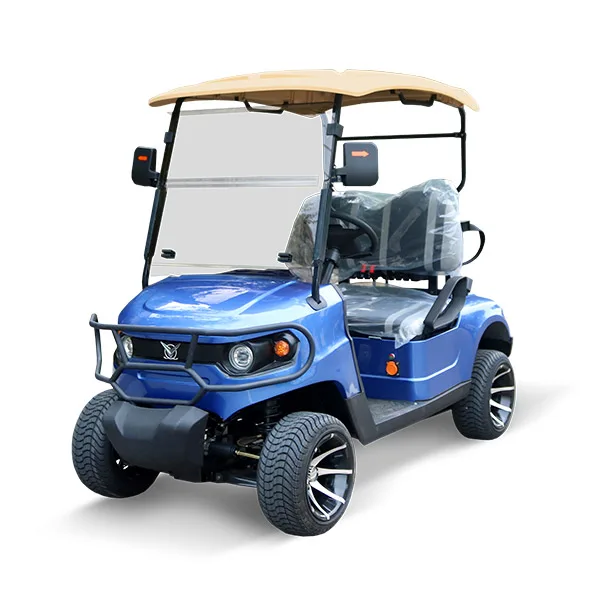
Golf Courses and Resorts
Golf carts with back seats are widely used on golf courses to transport players and their equipment or in resorts to shuttle guests between amenities. Their ability to carry multiple passengers makes them ideal for group outings or guided tours, enhancing guest satisfaction.
Gated Communities and Retirement Villages
In gated communities and retirement villages, golf carts with back seats provide convenient transport for residents, allowing families or neighbors to travel together. Their low-speed operation (typically 15–25 mph) ensures safety in pedestrian-heavy areas.
Campuses and Large Facilities
Universities, hospitals, and corporate campuses use golf carts with back seats to move students, staff, or visitors across large grounds. Their compact size and seating capacity make them efficient for navigating pathways and parking areas.
Events and Public Venues
At festivals, fairs, or sports events, golf carts with back seats transport organizers, VIPs, or attendees, offering a practical solution for crowded venues. Their maneuverability and passenger capacity streamline logistics and enhance event operations.
Industrial and Maintenance Operations
In industrial settings, golf carts with back seats serve as utility vehicles, transporting workers and tools across warehouses, factories, or construction sites. Their dual-purpose design supports both passenger and cargo needs, improving site efficiency.
Factors to Consider When Choosing Golf Carts with Back Seats
Intended Use and Environment
The intended use—recreational, commercial, or utility—guides the choice of golf carts with back seats. For example, resorts may prioritize comfort and aesthetics, while industrial sites need durability and cargo capacity. Environmental factors, like terrain or weather, also influence model selection.
Power Source and Maintenance
Electric golf carts with back seats require access to charging infrastructure, while gas models need fuel availability. Maintenance needs, such as battery replacement or engine servicing, should align with operational budgets and downtime constraints.
Regulatory Compliance
Local regulations, such as speed limits (e.g., 25 mph for low-speed vehicles) or road-use permissions, impact the use of golf carts with back seats. Ensuring compliance with Department of Transportation (DOT) or community rules is essential for legal operation.
Passenger and Cargo Needs
The number of passengers and type of cargo determine the ideal configuration of golf carts with back seats. Families may prefer four-seaters with rear-facing seats, while businesses may need six-seaters with additional storage for equipment or supplies.
Maintenance and Care for Golf Carts with Back Seats
Battery Maintenance for Electric Models
For electric golf carts with back seats, regular battery maintenance—checking water levels (for lead-acid), cleaning terminals, and avoiding deep discharges—extends battery life. Lithium-ion batteries require less upkeep but benefit from proper charging cycles to maintain performance.
Regular Cleaning and Inspection
Cleaning golf carts with back seats with mild soap and water preserves upholstery and prevents corrosion on metal components. Routine inspections for tire pressure, brake function, and electrical systems ensure safe and reliable operation, particularly in high-use environments.
Storage and Weather Protection
Storing golf carts with back seats in covered areas or garages protects them from UV damage, rain, or extreme temperatures. Using weatherproof covers or enclosures during off-seasons maintains the cart’s condition, especially for seasonal operations like golf courses.
Advancements in Golf Carts with Back Seats for 2025

Improved Battery Technology
In 2025, golf carts with back seats feature advanced lithium-ion batteries with faster charging (4–6 hours) and extended ranges (up to 60 miles). These improvements enhance efficiency and reduce downtime, making electric models more competitive with gas-powered carts.
Smart Features and Connectivity
Smart technology, including GPS tracking, remote diagnostics, and smartphone apps for fleet management, is transforming golf carts with back seats. These features support commercial operations, such as resort shuttles or campus transport, by improving oversight and user experience.
Sustainable and Lightweight Materials
Manufacturers are using lightweight, recyclable materials like aluminum frames and eco-friendly upholstery in golf carts with back seats, reducing environmental impact and improving fuel efficiency. These sustainable designs appeal to green-conscious buyers and communities.
Conclusion
Golf carts with back seats offer a compelling combination of increased passenger capacity, versatility, and modern features, making them an excellent choice for recreational, commercial, and utility applications. Whether transporting guests at a resort, families in a community, or workers on a campus, these carts enhance mobility, comfort, and efficiency. By evaluating factors like power source, seating configuration, and regulatory compliance, buyers can select golf carts with back seats that meet their specific needs.
With advancements in battery technology, smart features, and sustainable designs shaping the 2025 market, golf carts with back seats are poised to remain a versatile and valuable solution for diverse transportation challenges.
FAQ
What are golf carts with back seats used for?
Golf carts with back seats are used for transporting multiple passengers in settings like golf courses, resorts, gated communities, campuses, events, or industrial sites, offering enhanced seating capacity and versatility.
How many passengers can golf carts with back seats carry?
Most golf carts with back seats accommodate 4–6 passengers, with configurations including rear-facing or flip-down seats, depending on the model and intended use.
Are electric or gas-powered golf carts with back seats better?
Electric golf carts with back seats are eco-friendly and quieter, ideal for indoor or community use, while gas-powered models offer higher torque and range, suited for rugged terrains or large properties.
What safety features should golf carts with back seats have?
Golf carts with back seats should include seat belts, rear safety rails, reflective markers, and LED lighting to ensure passenger security, especially for rear-facing seats or use in busy areas.
How do I maintain golf carts with back seats?
Maintain golf carts with back seats by checking batteries (for electric models), cleaning upholstery, inspecting tires and brakes, and storing in covered areas to protect from weather damage.