Welcome to My Blog!
Before we dive into the content, I’d love for you to join me on my social media platforms where I share more insights, engage with the community, and post updates. Here’s how you can connect with me:
Facebook:https://www.facebook.com/profile.php?id=100087112105480
Now, let’s get started on our journey together. I hope you find the content here insightful, engaging, and valuable.
Table of Contents
Introduction
In the evolving landscape of modern agriculture, efficiency and adaptability are paramount. For small-scale farmers, the small agricultural tractor has emerged as an indispensable tool, revolutionizing farming practices by offering versatility, cost-effectiveness, and environmental benefits. These compact machines are not just scaled-down versions of their larger counterparts; they are meticulously designed to meet the unique challenges of smaller farms, providing solutions that enhance productivity and sustainability.
This comprehensive guide delves into the myriad advantages of small agricultural tractors, exploring their features, applications, and the transformative impact they have on farming operations. Whether you’re a seasoned farmer or new to agriculture, understanding the value of these machines can help you make informed decisions to optimize your farm’s performance.
Understanding Small Agricultural Tractors
5.jpg-1.webp)
A small agricultural tractor is a compact, yet powerful, machine designed to perform a variety of tasks on a farm. Typically ranging from 20 to 50 horsepower, these tractors are engineered for maneuverability and versatility, making them ideal for operations on smaller plots of land. Their design allows for the attachment of various implements, enabling them to handle tasks such as plowing, tilling, mowing, hauling, and more.
Key Features:
- Compact Size: Allows for easy navigation through tight spaces and between crop rows.
- Versatility: Compatible with a wide range of attachments for different farming activities.
- Fuel Efficiency: Smaller engines consume less fuel, reducing operational costs.
- Ease of Use: User-friendly controls make them accessible to operators with varying levels of experience.
Advantages of Small Agricultural Tractors
Cost-Effectiveness
Investing in a small agricultural tractor is financially prudent for small-scale farmers. The initial purchase price is significantly lower than that of larger tractors, and the ongoing costs for fuel, maintenance, and repairs are also reduced. This affordability allows farmers to allocate resources to other critical areas of their operations.
Enhanced Maneuverability
The compact design of these tractors enables them to operate efficiently in confined spaces, such as greenhouses, orchards, and between closely planted rows. This agility is particularly beneficial for farms with irregularly shaped fields or challenging terrains.
Versatility in Operations
Small agricultural tractors are compatible with various implements, including plows, harrows, seeders, sprayers, and loaders. This adaptability allows farmers to perform multiple tasks with a single machine, maximizing utility and minimizing equipment costs.
Reduced Soil Compaction
The lighter weight of small tractors exerts less pressure on the soil, preserving its structure and health. This is crucial for maintaining soil fertility and promoting better crop yields, as excessive compaction can hinder root growth and water infiltration.
Environmental Sustainability
Smaller tractors typically emit fewer greenhouse gases due to their fuel-efficient engines. Additionally, their ability to support precision farming techniques helps in reducing the overuse of fertilizers and pesticides, contributing to more sustainable agricultural practices.
Applications of Small Agricultural Tractors
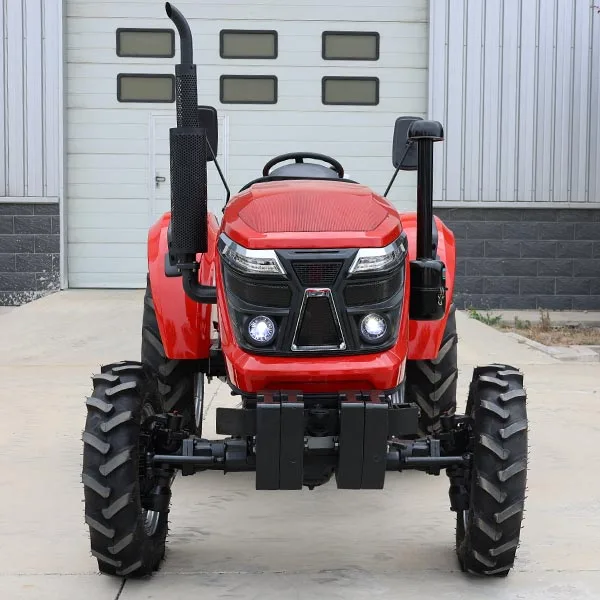
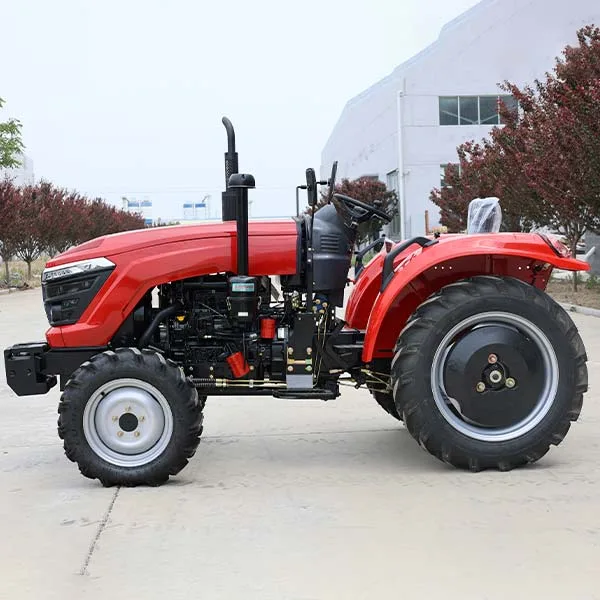
The versatility of small agricultural tractors makes them suitable for a wide range of farming activities:
- Soil Preparation: Plowing, harrowing, and tilling to prepare land for planting.
- Planting and Seeding: Using seeders and planters to sow crops accurately.
- Crop Maintenance: Operating sprayers for pest and weed control.
- Harvesting Support: Transporting harvested crops using trailers.
- Landscaping: Mowing grass, clearing brush, and maintaining farm roads.
- Livestock Management: Hauling feed, cleaning pens, and moving equipment.
Comparative Overview: Small vs. Medium vs. Large Agricultural Tractors
| Feature | Small Agricultural Tractor | Medium Agricultural Tractor | Large Agricultural Tractor |
|---|---|---|---|
| Horsepower Range | 20–50 HP | 50–100 HP | 100+ HP |
| Maneuverability | High | Moderate | Low |
| Fuel Efficiency | High | Moderate | Low |
| Initial Investment | Low | Moderate | High |
| Maintenance Costs | Low | Moderate | High |
| Soil Compaction | Minimal | Moderate | Significant |
| Ideal Farm Size | Small-scale farms | Medium-sized farms | Large-scale farms |
| Versatility | High | High | Moderate |
| Operator Skill Requirement | Basic | Intermediate | Advanced |
| Environmental Impact | Low | Moderate | High |
Selecting the Right Small Agricultural Tractor
When choosing a small agricultural tractor, consider the following factors to ensure it meets your farm’s specific needs:
- Horsepower Requirements: Match the tractor’s power to the tasks you’ll perform.
- Attachment Compatibility: Ensure the tractor supports the implements you plan to use.
- Terrain and Soil Type: Consider the tractor’s suitability for your land’s conditions.
- Operator Comfort: Look for features like ergonomic seating and intuitive controls.
- Maintenance Support: Assess the availability of service centers and spare parts.
Maintenance and Longevity
1.jpg.webp)
Regular maintenance is vital to prolonging the life of your small agricultural tractor:
- Routine Checks: Monitor oil levels, tire pressure, and hydraulic fluids.
- Scheduled Servicing: Adhere to the manufacturer’s service intervals for engine tune-ups and part replacements.
- Proper Storage: Store the tractor in a sheltered area to protect it from the elements.
- Cleanliness: Keep the tractor clean to prevent the buildup of debris that can cause wear.
By following these practices, farmers can ensure their tractors remain reliable and efficient for years to come.
Conclusion
The integration of small agricultural tractors into farming operations represents a strategic move towards increased efficiency, sustainability, and profitability. Their adaptability to various tasks, coupled with cost savings and environmental benefits, makes them an ideal choice for small-scale farmers aiming to modernize their practices. By investing in these versatile machines, farmers can enhance their productivity and contribute to a more sustainable agricultural future.
FAQ
What is the ideal horsepower for a small agricultural tractor?
For most small-scale farming operations, a tractor with 20 to 50 horsepower is sufficient to handle tasks such as plowing, tilling, and hauling.
Can small agricultural tractors handle heavy-duty tasks?
While they are designed for lighter tasks, many small tractors can perform heavy-duty work when equipped with the appropriate attachments, provided the tasks align with their power capacity.
Are small agricultural tractors suitable for all types of terrain?
Yes, their compact size and maneuverability make them well-suited for various terrains, including hilly and uneven landscapes.
How do small tractors contribute to sustainable farming?
Their fuel efficiency reduces emissions, and their lighter weight minimizes soil compaction, both of which are beneficial for sustainable farming practices.
Is it easy to find attachments for small agricultural tractors?
Absolutely. A wide range of attachments is available, allowing these tractors to perform multiple functions, from planting to harvesting.